దళితులపై సీఎం కేసీఆర్ కపట ప్రేమ ఒలకబోస్తున్నారని ఏఐసీసీ మహిళా ప్రధాన కార్యదర్శి, ఎమ్మెల్యే ధనసరి సీతక్క విమర్శించారు. టీపీసీసీ అధికార ప్రతినిధి కూచన రవళిరెడ్డి ఆధ్వర్యంలో ఉమ్మడి వరంగల్ జిల్లాలో గల నారాయణగిరిపల్లి, వెల్తుర్లపల్లి గ్రామాల్లో దళిత, గిరిజన దండోరా కార్యక్రమంలో ఎమ్మెల్యే సీతక్క మాట్లాడారు. మోసపూరిత వాగ్దానాలు చేస్తూ హుజూరాబాద్ నియోజకవర్గ దళితులపై వరాలజల్లు
from Oneindia.in - thatsTelugu https://ift.tt/3zFSz6V
Choosing the best laptop for college isn’t as easy as you might think. Most parents and working students would just go for the cheapest option they could find. However, a student laptop needs to meet more requirements than notebooks for the average user, and going for the cheapest might not be a wise investment.
The price does factor in, yes. After all, many college students already have enough expenses to deal with – tuition, books, house, student insurance – without having to worry about paying for a big purchase. However, a laptop for college students also needs to be robust, thin and relatively lightweight, have a long battery life, and performance to meet a student’s demands. Finding the best college laptops that balance affordability with everything one needs for college or high school, therefore, is key.
We’re here to help you find exactly that, one that balances portability, durability, battery life, and performance with an affordable price tag – whether that to you means a Chromebook or a laptop ideal for an engineering degree. With the back to school season coming soon, now’s a great time to take your pick. And, with our price comparison tool included, you might just find the best student laptop deals to save even more money.
CPU: Apple M1 chip with 8‑core CPU | Graphics: Integrated 7-core – 8-core GPU | RAM: 8GB – 16GB unified memory | Screen: 13.3-inch 2560 x 1600 Retina display | Storage: 256GB – 2TB SSD
macOS Big Sur is fast and responsive
Battery life is great
Silent in use
Fanless design could impact performance
Apple topped the previous year off with a bang, rolling out their much-talked about M1 silicon chip that’s so far been a real game-changer. And, the first laptop to receive it is the company’s thinnest and lightest, putting it on the list of the most exciting Apple laptops of recent years. With this new chip, the MacBook Air is better than ever, touting excellent performance alongside its brilliant battery life – without raising the price to keep it (fairly) affordable still. It’s not going to be the cheapest option for students, but for those who have a slightly bigger budget, this is the best student laptop to get.
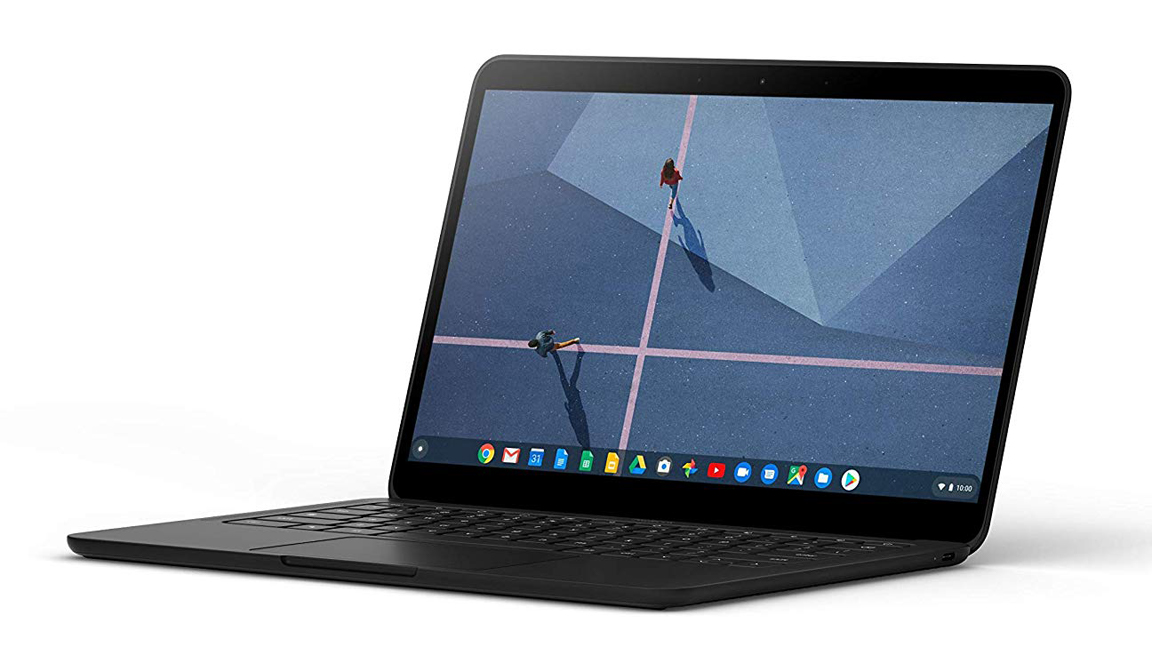
Have you been waiting for the day you can finally afford the premium price of Google Pixelbook? Well, with Google releasing Pixelbook Go, your wait is finally over. Granted, it isn’t quite the actual luxury device you’ve been dreaming of. However, rest assured, you will love this Chromebook, just as we have during our time with it. We love it so much, in fact, that it earned our coveted “Editor's Choice” award in the Chromebook category. It boasts incredible battery life, an even more impressive keyboard and a 1080p webcam, which you don’t see often in the more budget-friendly laptops even in 2021. And, that’s just to start.
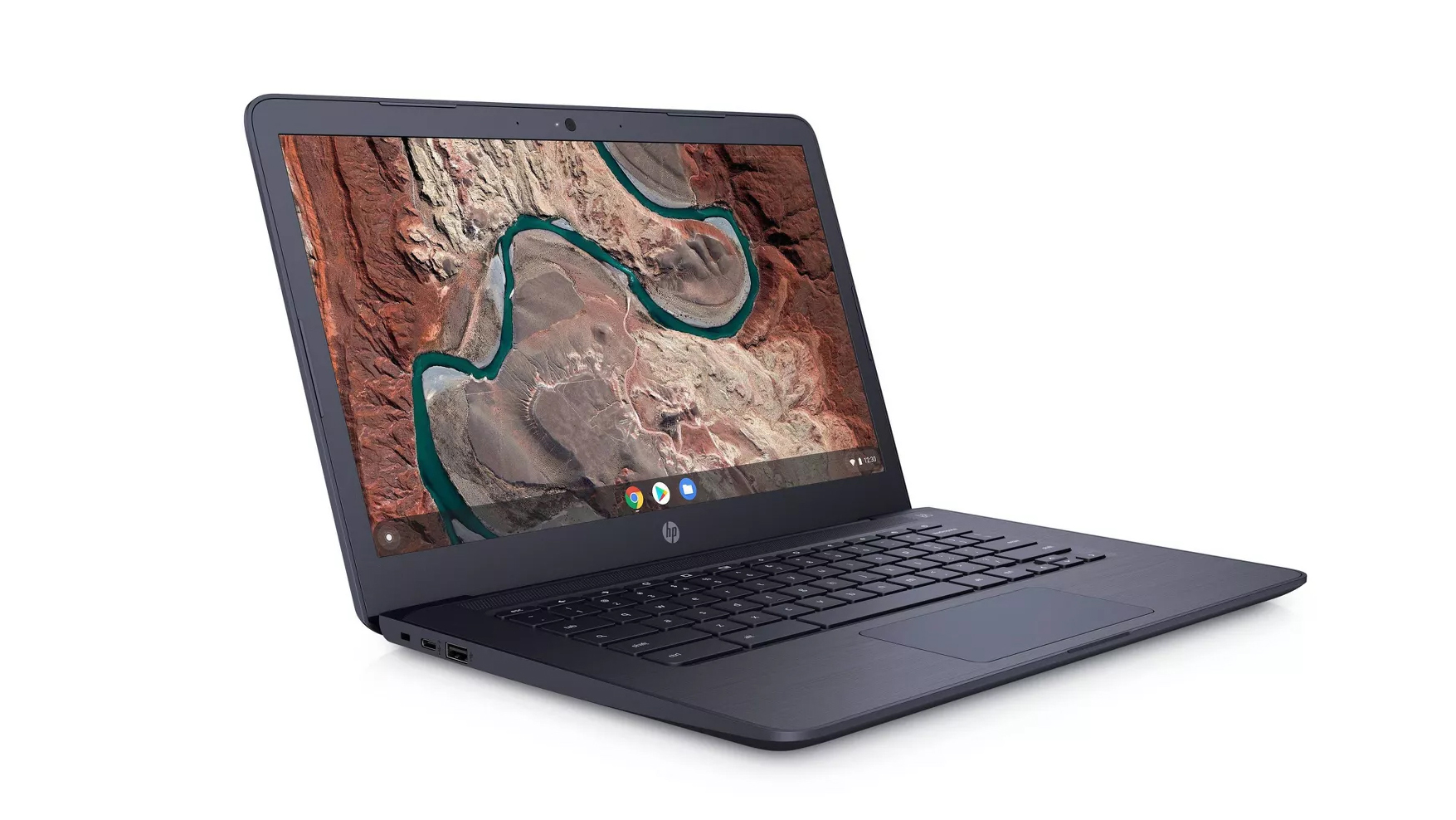
The HP Chromebook 14 may not be as powerful as other Chromebooks, but this tiny laptop has a few aces up its sleeves, helping it secure a well-deserved top spot on our best laptops for students list. Those aces include striking a good balance between ample screen space and portability, as well as a surprisingly excellent keyboard and a decent trackpad. That’s without mentioning how vivid the display and how low its price tag is.
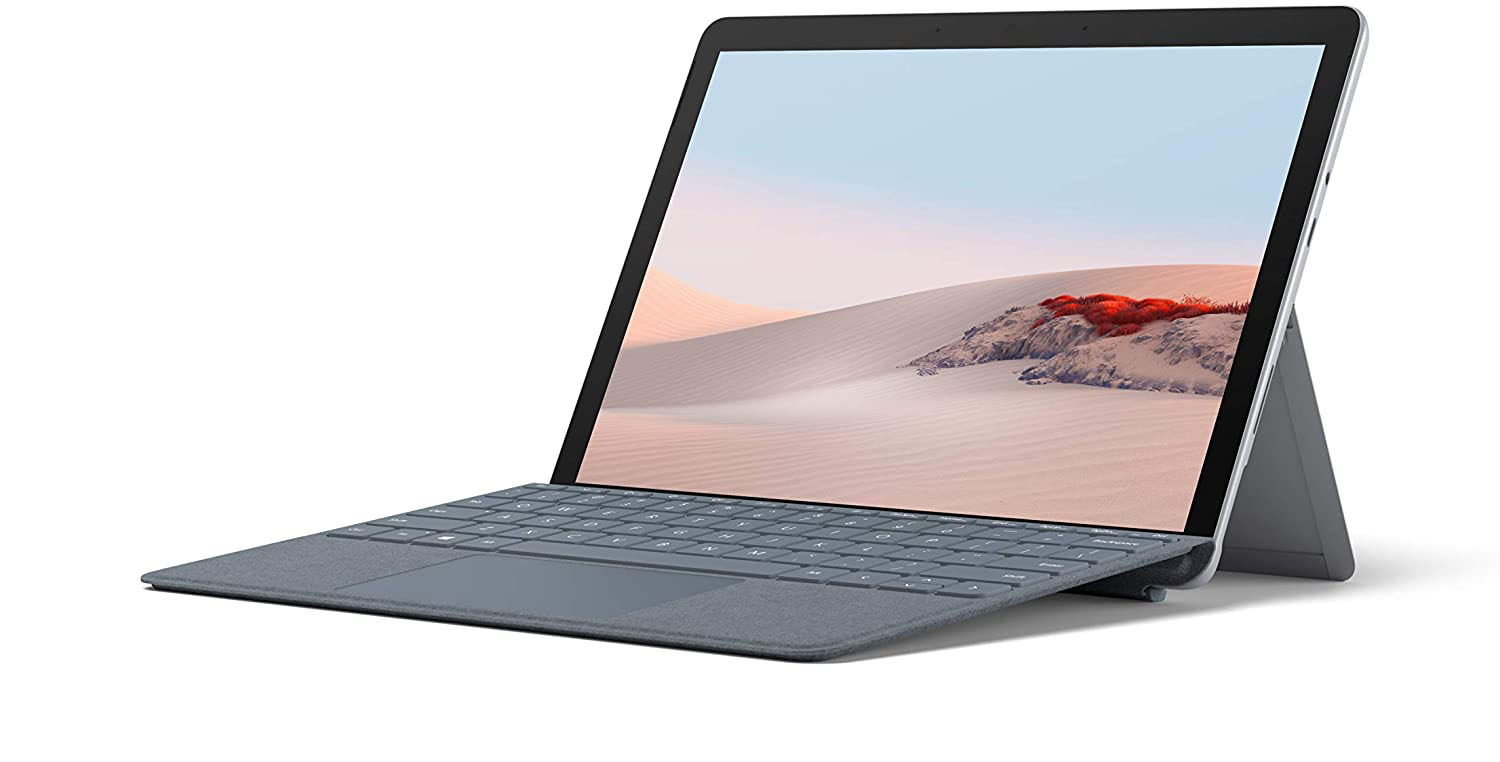
Microsoft’s devices are known for their higher price tags, which is why the Surface Go line proves popular with the more budget-conscious crowd. It’s Microsoft’s best affordable premium tablet, and the follow up, Surface Go 2, continues that tradition with its reasonable price and premium design. It even runs the full Windows 10 operating system, so it’s even more capable than other tablets out there as far as what applications it can run. Unfortunately, as with the original, it suffers from the same curse of being underpowered, especially at the base configuration. However, it does offer a slight bump in performance over its predecessor. If you’re looking for the best student laptops, this one’s certainly a great contender.
Massive bezels drastically reduce actual screen size
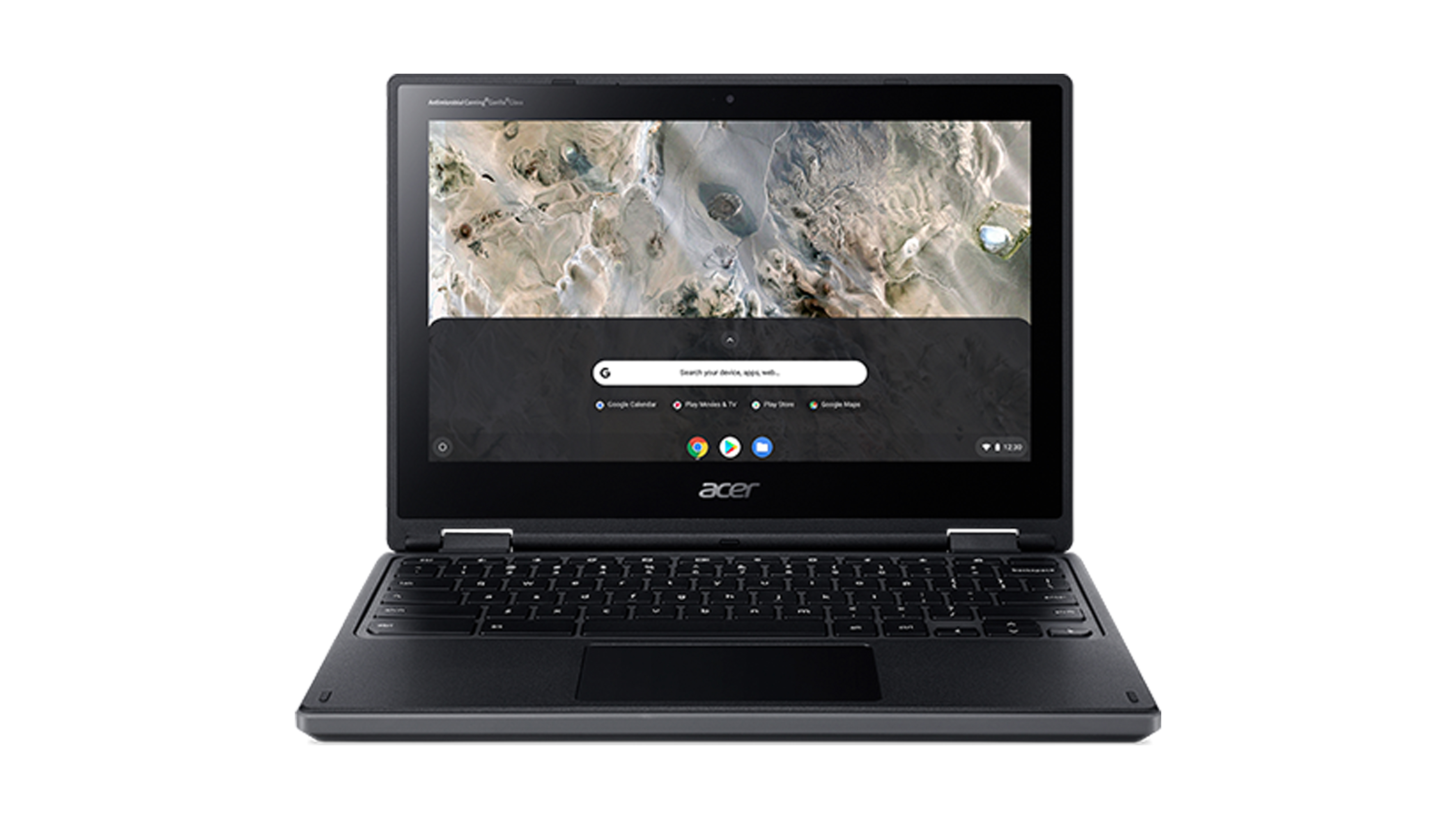
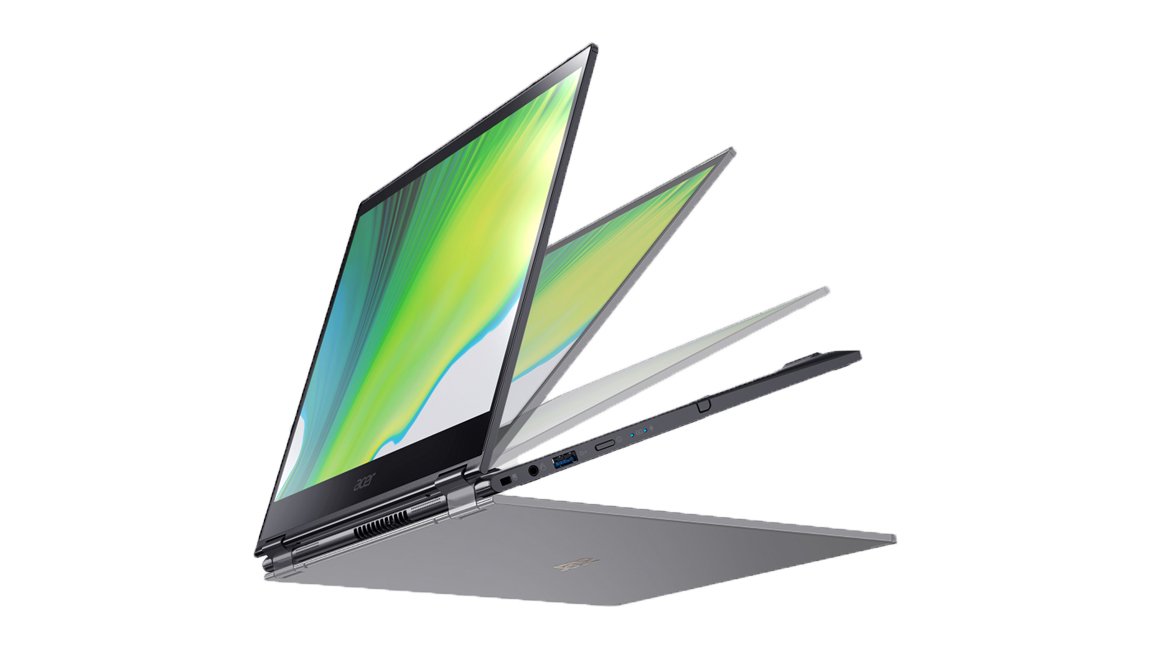
If versatility is a top priority, then look no further than the Acer Chromebook Spin 311. This all-rounder has all the makings of a great student laptop, from its good battery life to its robust build and solid usability. However, the Acer Chromebook Spin 311 takes it further with its impressive levels of versatility, thanks to its abundance of ports considering its size, 2-in-1 design, portable size and excellent touchscreen display. It also boasts a keyboard and a touchpad that are not only reliable, but also satisfying to use. That’s a rare thing in a machine at this price point.
A great feature set definitely adds a lot of value, and if you’re looking for the best laptops for students, that’s one thing to keep an eye out for. It’s that combined with its affordability that makes the Acer Spin 5 (2020) a terrific candidate. This 2-in-1 laptop isn’t just versatile due to its form factors and fantastic battery life. It also comes with a 3:2 display and a feature-rich stylus that together give it that extra advantage for students over its rivals: an easy and seamless note-taking experience. If you’re one of those folks who have a contempt for typing up notes in class, this old-school approach might just seal the deal.
The Lenovo ThinkPad C13 Yoga Chromebook lands straight in our best student laptops list due to the fact that it is one of the most powerful Chromebooks money can buy in 2021. While you're going to pay extra for this kind of horsepower, especially if you want some of the best features that come with the high-end models, it's well worth it if you're looking for a future proof Chromebook that's going to last you for years to come – four years of college at the very least. As a 2-in-1 device, it's got the flexibility that many other Chromebooks lack, and the screen on this thing is stunning. Best of all, it comes packing the new AMD 3000C-series processors - starting with an Athlon 3150C and scaling up to a Ryzen 7 3700C - and this means you'll get more processing power out of this Chromebook than many of it's competitors.
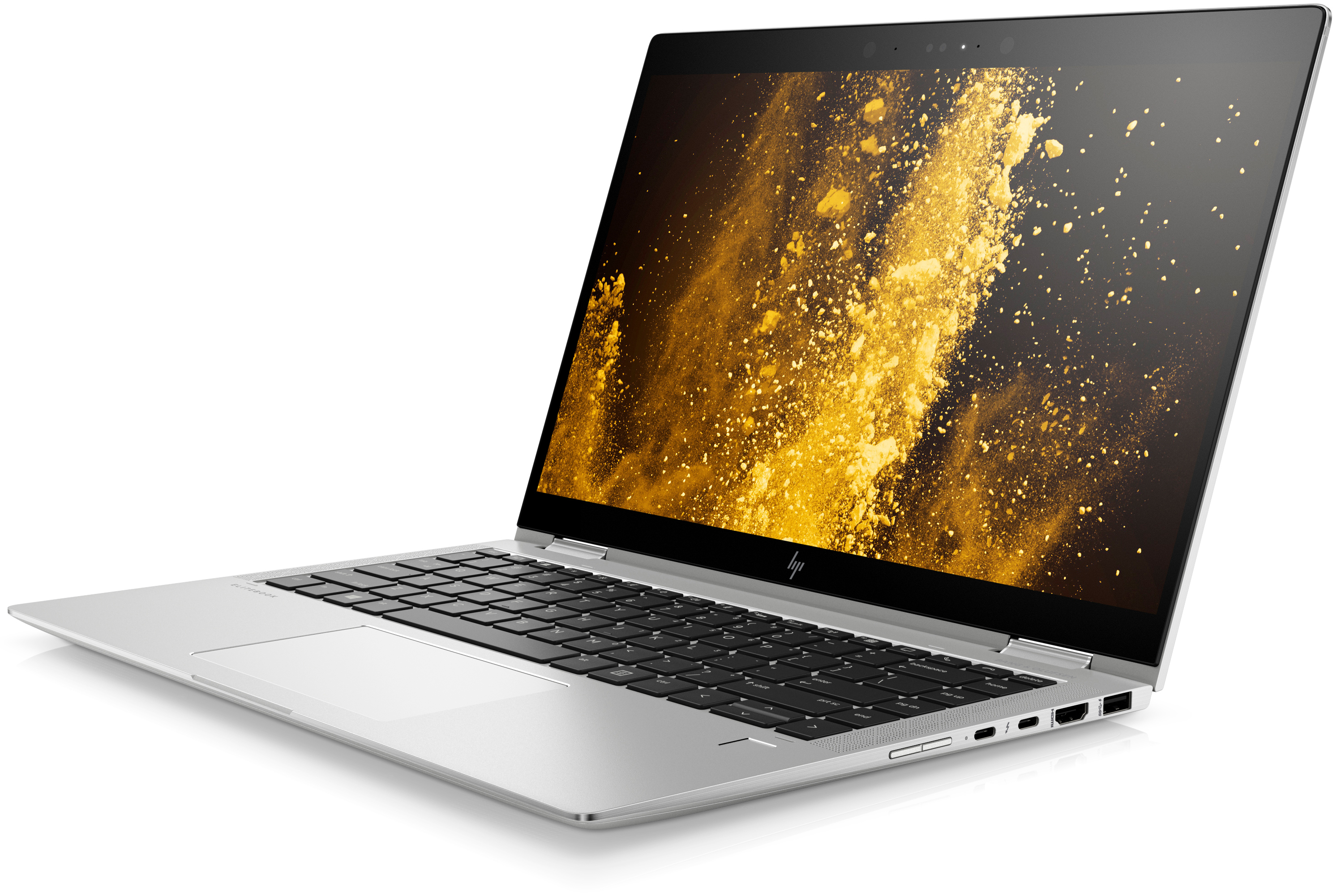
The HP Envy x360 15 (2021) is nearly in a class in its own right, a 2-in-1 laptop that combines impressive CPU and GPU power with an elegant yet robust design, a stunning display, and outstanding battery life – all for an incredible price. In fact, if you don’t want to spend a fortune, you'll be hard pressed to find a better value for a 2-in-1, making it among the best student laptops right now. Its huge collection of ports make it an even better value, especially if you have a few peripherals in your arsenal. It’s not the most comfortable to use as a tablet, but even the most premium contenders aren’ perfect, so it’s easy to forgive this laptop for that.
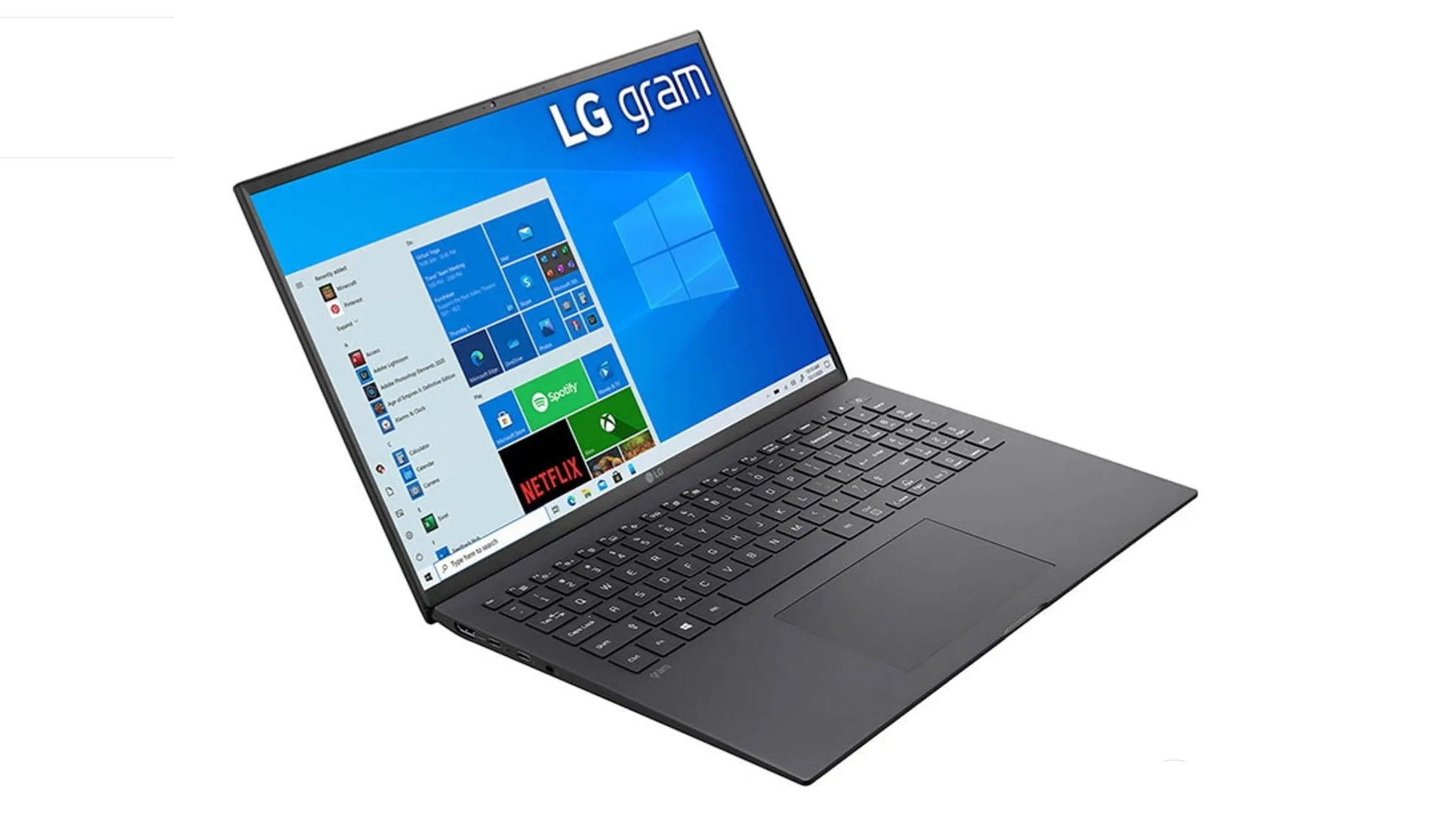
Laptops for work are rejoining the 17-inch fray and leading them is the much-lauded LG Gram 17, whose amazingly thin and light form factor has won awards and makes it among the best Ultrabooks on the market. It’s back in 2021 and better than ever, with more powerful internals like the 11th-generation Intel chips and the Iris Xe graphics as well as two Thunderbolt 4 USB-C ports. The long battery life and stunner of a screen are back, though as is its steep price tag. It’s worth it though if you want the power and portability of Ultrabooks yet also need a bigger screen.
CPU: Apple M1 chip with 8‑core CPU | Graphics: Integrated 8-core GPU | RAM: 8GB – 16GB unified memory | Screen: 13.3-inch 2560 x 1600 LED-backlit Retina display | Storage: 256GB – 2TB SSD | Dimensions (H x W x D): 30.41 x 21.24 x 1.56 cm
Huge battery life
Great performance
Can run iOS apps
Still lacks ports
The MacBook Pro 13-inch (M1, 2020) may not have gotten a massive design overhaul, but what it lacks in that department, it makes up for big time in performance and battery life. Thanks to Apple’s groundbreaking M1 chip, the new MacBook Pro 13-inch delivers excellent performance and exceptional battery life. Its performance is so impressive, in fact, that it can easily handle 4K - and even 8K - videos, which is great news for film students. If you’re looking for a powerful laptop that keeps things small and lightweight, this is the best student laptop money can buy.
We know that buying a new laptop can be a huge investment. Even more so with laptops for college students. That’s why we take our jobs seriously, and test every laptop we recommend on this list extensively.
That process involves using them in our day-to-day lives to see how long their battery lasts, how robust they are – college kids have hectic lives, after all, and how cool they stay under pressure. We also look at their design, including how stylish they are, if they are thin and light enough to carry around with, and how comfortable they are to work on. Because the webcam and microphone in a laptop is also incredibly important, especially these days, we take time to test those out as well.
When it comes to performance, we use a mix of real-world tests and synthetic benchmarks to see how powerful (or not) these laptops are. This means using Windows 10 (or Chrome OS on Chromebooks and macOS on MacBooks) and running various apps and seeing how fast they load, noting down any problems.
Battery lives are also important, so we’ll keep track of how long we can use the laptop without needing to charge. To get specific numbers, we also run our own battery life benchmark that plays a looped 1080p movie until the battery dies and the PC Mark 10 battery life benchmark, which replicates real-world usage, such as web browsing and document creation. These tests give us an excellent idea of how long the batteries in these laptops last.
When all is said and done, we then take everything we’ve learned about the laptop and compare it to its price, to see if it offers the best value to students.
When you're setting out to buy one of the best gaming monitors, there are literally hundreds of different options out there. All kinds of sizes, resolutions, display technologies and even aspect ratios are available for you to project the best PC games onto.
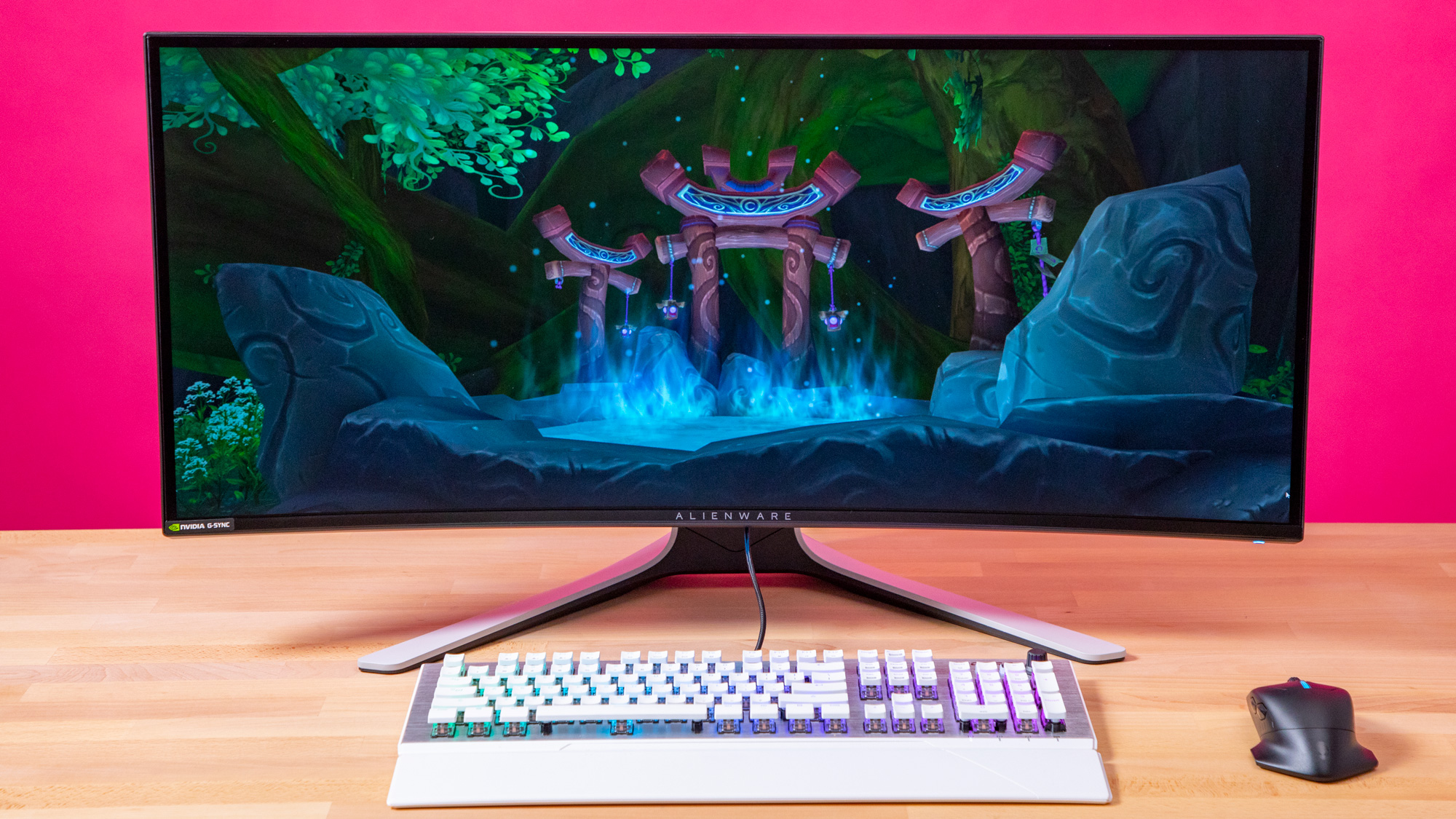
And one of the most novel types of monitors that have been getting more and more popular recently is the ultrawide monitor. These displays are way more immersive, and can even boost productivity when you're getting some work done. But are they actually worth your time, money and space?
What is an ultrawide monitor?
When it comes to monitors, the most common aspect ratio is 16:9, which is a common widescreen aspect ratio, which is also what most TVs offer these days. This is in contrast to the way things were in the early 2000s and 1990s, when most monitors were 4:3, and everything was a bit more square shaped.
However, there are more and more displays available these days that have a 21:9 aspect ratio that is far wider than what a 16:9 monitor offers. Instead of a 1,920 x 1,080 display at this ratio, you would instead get a 2,560 x 1080, which gives you way more horizontal space.
But even more recently we've seen these displays expanding even further outward, with some, like the Samsung Odyssey Neo G9 offering a mind-blowing 32:9 aspect ratio, or a resolution of 5,120 x 1,440. These super-ultra-wide monitors will truly take up your entire field of vision.
(Image credit: Truls Steinung)
So what's the downside of an ultrawide monitor?
That all sounds pretty awesome, to be sure, but it's not all sunshine and roses for ultrawide monitors. There are a lot of factors that might make some folks think twice before putting one of these giant monitors on their desk – and yes, size is a big one.
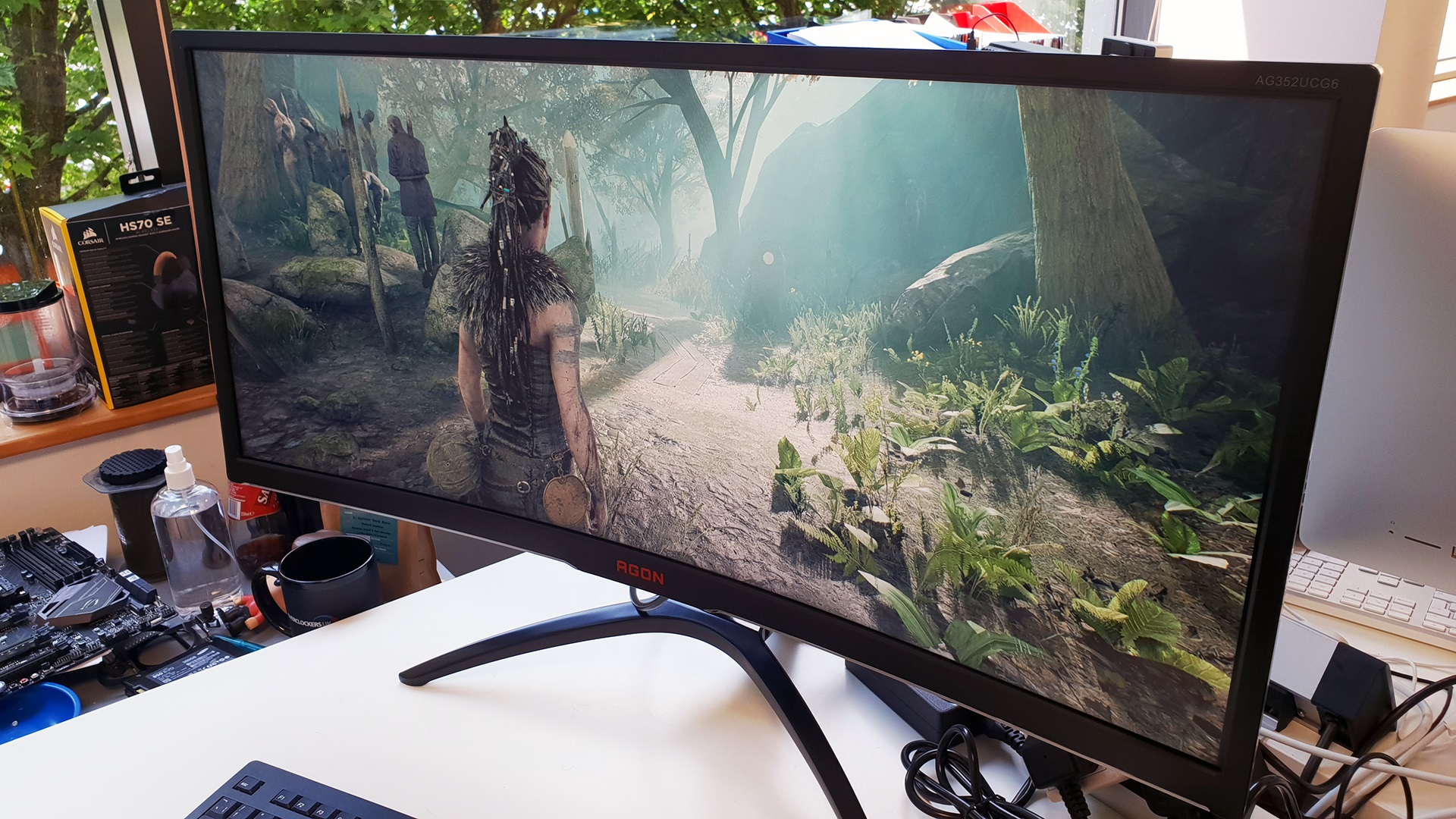
You'll be hard-pressed to find an ultrawide monitor that is less than 34 inches, and even when they're curved (and a lot of them are) they can take up a lot of horizontal space on your desk, which could be an issue if you don't have a lot of space. For instance, the ultrawide monitor we use every day at home, the AOC Agon AG352UCG6 Black Edition measures nearly 34 inches long horizontally. This is largely thanks to that display's large bezels, but it's something to keep in mind if you have a smaller desk.
They're also a lot harder to actually power. If you're looking at getting a 1440p monitor, an monitor at that resolution is going to require a bit more graphics horsepower to run it. After all, a 3,440 x 1,440 display has 34% more pixels than its 16:9 2,560 x 1,440 counterpart. You're pretty close to 4K at that resolution, so you're going to want a powerful graphics card to power it.
And if you're buying the monitor to primarily play your favorite PC game, you might want to check to make sure the games you want to play actually support ultrawide resolutions. While ultrawide support is getting better every day, there are still a ton of popular games that will leave you with giant black bars on either side of the screen.
Overwatch, Paladins and even Psychonauts 2 are all games that stick to a rigid 16:9 aspect ratio in-game. A lot of competitive games will block this wider aspect ratio because the developers (or the community) feel like it can give an unfair competitive advantage. And even with non-competitive games, sometimes ultrawide support is something that the developer hasn't thought to implement.
(Image credit: Future)
Ultrawide monitors are still worth it though
Just because there are a lot of things you have to consider before you decide to pick up an ultrawide monitor, it doesn't mean that they're not worth it. Far from it.
In fact, we're constantly annoyed that we have to keep a boring old 16:9 monitor around for benchmarking, because in pretty much all cases, we would much rather use an ultrawide monitor for everything. And it's because the best ultrawide monitors are great for everything – from playing games to getting some work done.
This is especially true if you play a lot of RPGs, where having more screen real estate for UI elements like action bars and health bars can really benefit you. In Final Fantasy XIV, which lets you completely rearrange every element of its UI, we love using an ultrawide monitor, because it gives us a much larger canvas to work with without obscuring our view of what's happening on the screen.
The old days of MMO players having all the action hidden behind an impenetrable mess of UI elements is over and even more so with an ultrawide monitor.
But it's not just fun and games, either. Using an ultrawide monitor for work is a dream come true. In a lot of ways, having an ultrawide display is just like having two normal monitors glued together, and if you do rely on multiple monitors to get your work done, these displays can actually save you space. You only have to worry about one stand, and you don't have any empty space between the two displays.
And let's be honest, most of us aren't using our PCs for just one thing these days. Our machines are serving as a game console, a work machine, or a way to watch Netflix depending on the time of day, especially as we continue to work from home. With how many things an ultrawide display excels at, it's not surprising that so many people are flocking to these monitors, and we definitely recommend that you try one out for yourself to see what all the hype is about.
Scientists have identified a venerable brown dwarf nicknamed 'The Accident' that is almost as old as the universe itself careening through our galactic neighborhood at half a million miles an hour – and it's upending what we thought we knew about these strange, not-quite-a-star-but-not-quite-a-planet space objects.
As LiveScience explains it, brown dwarfs are best thought of as failed stars; seriously massive bodies that range from 13 to 80 times the size of Jupiter, but don't quite have the mass to ignite nuclear fusion in its core to become a star. Instead, their heat dissipates with time, making them little more than stellar embers that are difficult to detect.
The Accident was discovered – you guessed it – by accident by a citizen astronomer named Dan Caselden, who was using a homebrewed online computer program to sift through new astronomical data looking for brown dwarfs. Caselden was studying a completely different group of brown dwarf candidates when The Accident suddenly swooshed into view.
(Image credit: NASA/JPL-Caltech)
What puzzled scientists about The Accident is that the infrared light if gives off indicates that it is very cold, and so must be very old, but in other wavelengths, The Accident appeared much brighter, indicating that it was a younger brown dwarf.
Not ones to let such a contradiction go unchallenged, astronomers tracked down the object using an infrared telescope at the W. M. Keck Observatory in Hawaii as well as the Hubble and Spitzer space telescopes. What they found was even stranger, published in a June study in The Astrophysical Journal Letters.
Located about 50 light-years away from us, The Accident is careening through the galaxy at roughly 500,000 mph (about 800,000 km/h). This is much faster than other brown dwarfs that have been discovered to date, and indicates that The Accident is indeed old. Its incredible speed is likely the accumulated effects of larger gravitational bodies like actual stars slinging it around the Milky Way.
There is also the matter of its composition: it has a very low level of methane, a common compound found in brown dwarfs. The study authors believe that this is a result of the advanced age of the brown dwarf. Having formed when the universe was young and the massive stellar explosions known as supernova had not had time to distribute sufficient carbon atoms into the universe for the brown dwarfs hydrogen to bond with.
"It's not a surprise to find a brown dwarf this old, but it is a surprise to find one in our backyard," said study co-author Federico Marocco, an astrophysicist at Caltech, in a statement. "We expected that brown dwarfs this old exist, but we also expected them to be incredibly rare. The chance of finding one so close to the solar system could be a lucky coincidence, or it tells us that they're more common than we thought."
"This discovery is telling us that there’s more variety in brown dwarf compositions than we’ve seen so far,” said Davy Kirkpatrick, an astrophysicist at the Infrared Processing & Analysis Center at Caltech in Pasadena, California and a co-author of the study. “There are likely more weird ones out there, and we need to think about how to look for them."
Analysis: Science isn't just for the professional scientists
Its easy to fall into thinking that science is something that professional scientists do, but for much of scientific history, science was progressed by people with more mundane day jobs.
In fact, it really wasn't until the Industrial and Modern eras that scientists became a "profession" that you could pursue as a career. It's also something that anyone can contribute to if they have the passion for it and you are willing and able to follow a scientifically rigorous approach. The Accident is one such contribution and the are countless others like it made by people working late at night on a passion project.
So if you love science but always felt like you were consigned to just reading about it, there's never been a better time than now to jump in. You might even get to name a new discovery something completely off-the-wall and have it go down in history.
Upgrading your wireless router with a new model from Amazon is certainly a good idea if you're working from home but new research from CyberNews has revealed that one of the most popular routers from TP-Link frequently featured on the ecommerce giant's store ships with vulnerable firmware.
Shenzhen-based TP-Link is the world's number one manufacturer of consumer WiFi networking products with yearly sales of 150m devices and a 42 percent share of the global consumer WLAN market. The company's routers are also often awarded “Amazon's Choice” badges in the “WiFi router” category on Amazon.
The TP-Link AC1200 Archer C50 (v6) is the best-selling “Amazon's Choice” Wi-Fi router in the UK and is mainly sold within the European market though another version is also available on Amazon's online store in the US.
During its investigation into this router, CyberNews found numerous flaws within its default firmware as well as its web interface. For this reason, the news outlet recommends that all TP-Link AC1200 Archer C50 (v6) owners upgrade their devices to the latest firmware as soon as possible.
Known flaws in default firmware
According to CyberNews, the TP-Link AC1200 Archer C50 (v6) ships with outdated firmware that is vulnerable to dozens of known security flaws. WPS is also enabled by default on the device which could allow an attacker to brute-force the router while its admin credentials and configuration backup files are encrypted using weak protocols that could easily be broken.
At the same time, the default version of the router's web interface app suffers from multiple bad security practices and vulnerabilities including clickjacking, charset mismatch, cookie slack, private IP disclosures, weak HTTPS encryption and more.
Thankfully most of these flaws have now been patched but CyberNews points out that some were only patched halfway through. For instance, the backend of the router still seems to be secured in such a way that an attacker could potentially find an entry point within the web interface and re-exploit previously known flaws.
CyberNews reached out to TP-Link to inform the company of its discoveries and it said that it will force firmware updates on the affected devices while owners will receive “relevant notifications” about these updates via their management interface.
The lesson here is that while you may have purchased a brand new device from Amazon or any other online or offline retailer for that matter, you still need to take the time and ensure that your router is updated to the latest firmware to protect your network and your data.
Improve your network and extend its area of coverage with one of the best Wi-Fi extenders of 2021. These repeaters boost your network signal to reach every nook and cranny of your office or home. So, not only do they extend your coverage area, but they also provide uninterrupted signal throughout your space and minimize no weak spots.
A Wi-Fi extender or repeater will increase and improve your connectivity – for gaming and for productivity – and save you money since you won’t have to replace your router. It might be that an upgrade to a mesh Wi-Fi router or something with Wi-Fi 6 support is what your network needs. But for many folks, a Wi-Fi extender is more than a good enough fix, and it might be even more cost-effective.
To help you find the solution to your network blues, especially this back to school season, we’ve collected our choices for the best Wi-Fi extenders. If you’re wondering if you should buy a Wi-Fi extender, our guide below should help you decide. Be sure to check our price comparison tool included to get the best deals available.
Bands: 802.11a/b/g/n/ac 2.4/5GHz simultaneous | Connectivity: 4 x RJ-45 10/100/1000M LAN ports | Features: Tri-band
Fast speeds and dependable network coverage
Easy setup to create a mesh network
Large and bulky
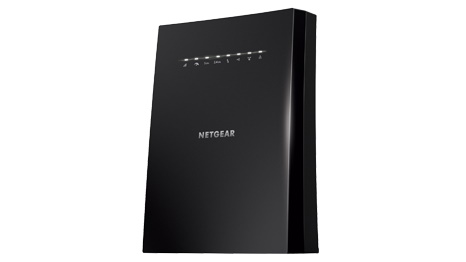
If you're after a Wi-Fi extender that provides best-in-class performance for expanding your wireless network throughout your home, then the Netgear Nighthawk X6S EX8000 Tri-band WiFi Extender is the one for you. You can use this extender to create a mesh network, so you have a single, large, Wi-Fi network, rather than smaller separate ones. This allows you to easily roam your house, and your device will seamlessly keep connected. It's expensive, but it's the best Wi-Fi extender you can buy right now, offering fast speeds and dependable network coverage throughout your home.
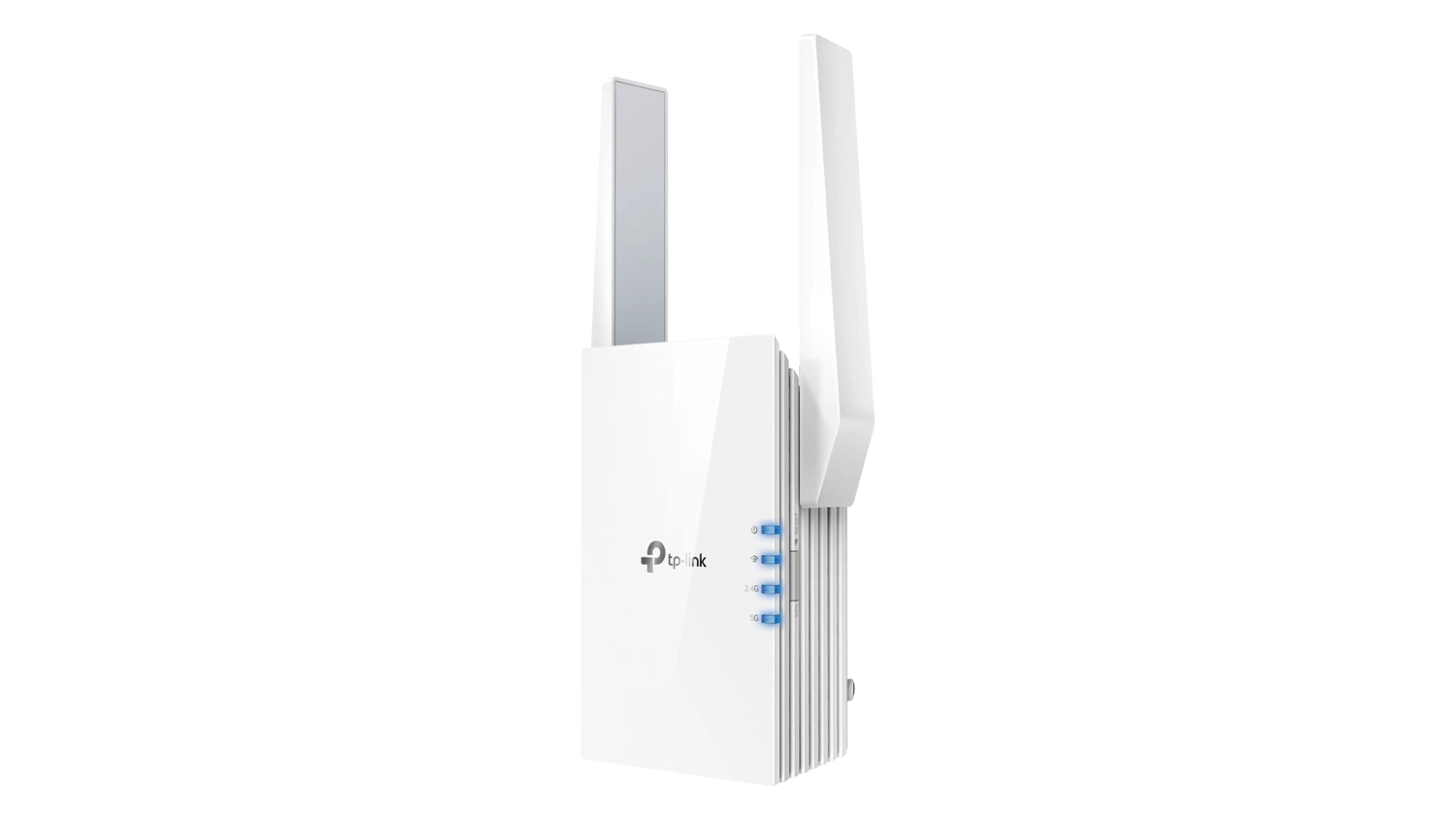
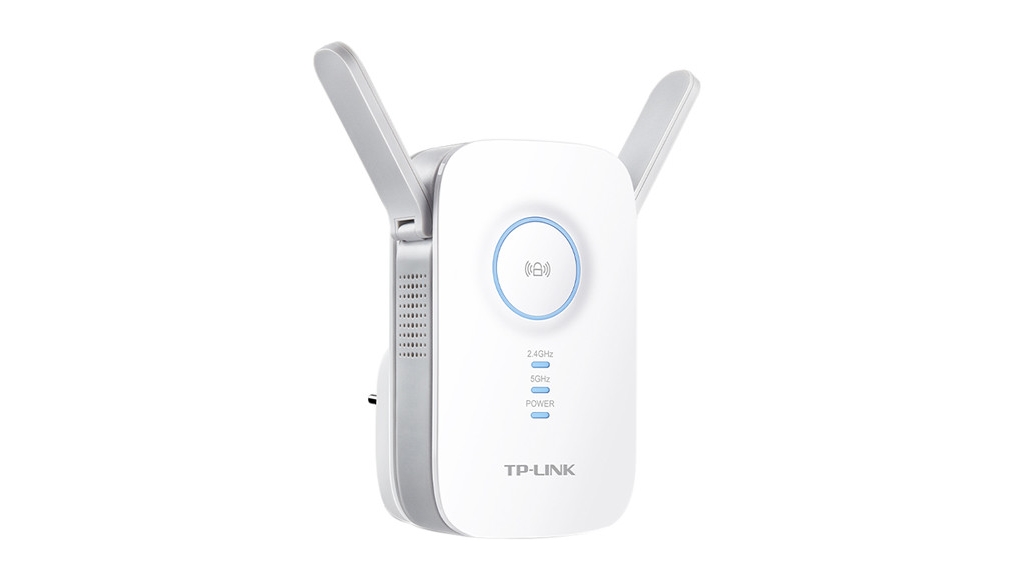
If you’re looking to extend your newly-minted Wi-Fi 6 network to all four corners of your home, TP-Link’s RE605X WiFi 6 Range Extender is worth taking a look. It’s as affordable and as easy to set up as the RE650 extender while being backwards compatible with older Wi-Fi 5 routers. It isn’t just for the less savvy users, however. The RE605X also provides a web browser interface for more experienced users who want more control over their network settings.
3. Netgear Nighthawk X6 EX7700 Mesh Range Extender
The best affordable Wi-Fi range extender
Bands: 802.11ac 5GHz and 2.4GHz | Connectivity: 2 x Ethernet | Features: Wi-Fi Protected Access (WPS), Mesh connectivity
Small design
Powerful enough for 4K content
Pricier than most extenders
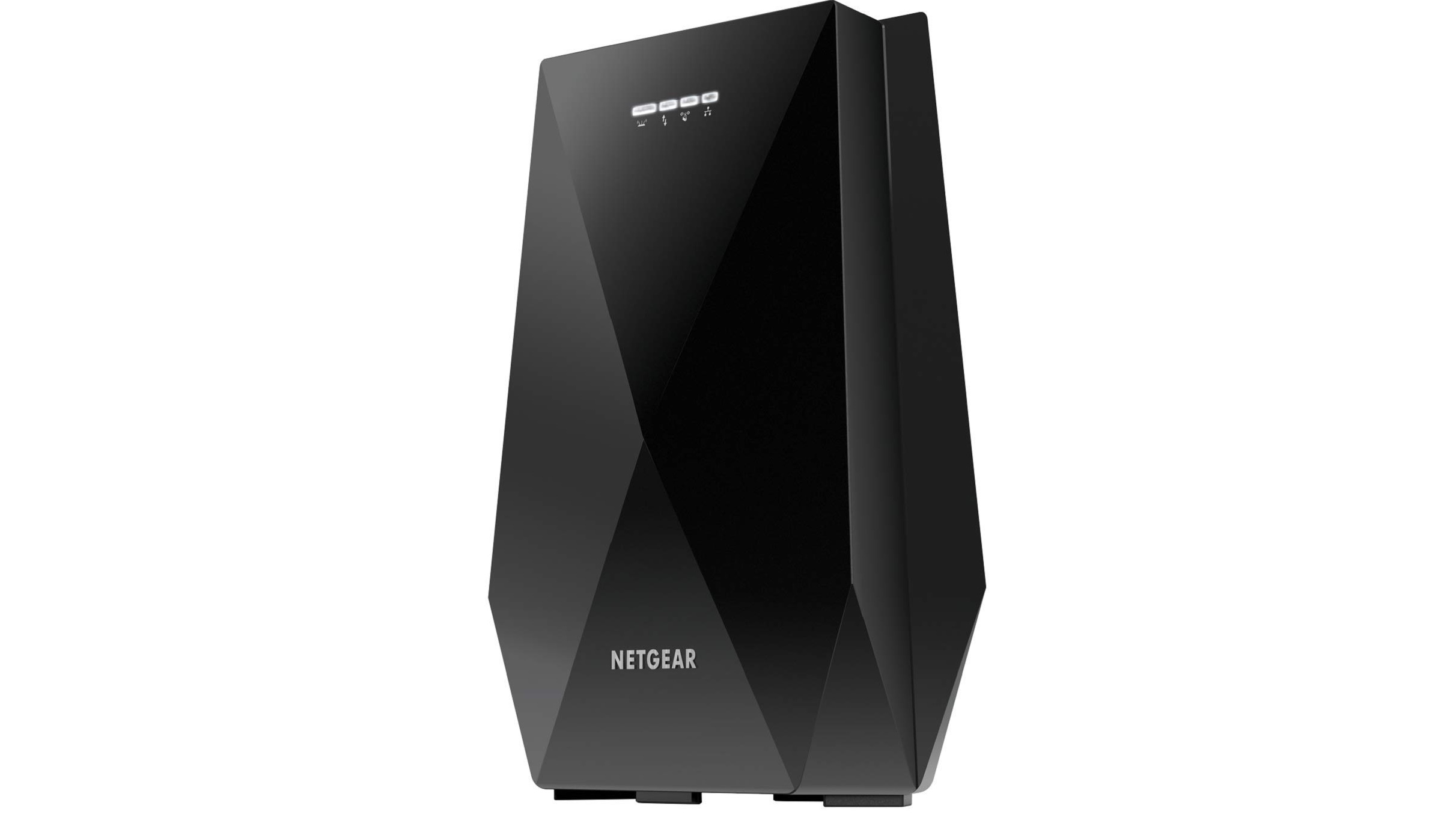
Bring the power and convenience of a mesh network to your home with the Netgear Nighthawk X6 EX7700. Not only does this extend the area of your Wi-Fi network, but it creates a seamless Wi-Fi network throughout your home or office - so you don't need to switch networks while moving around.
Thanks to the powerful hardware inside the Netgear Nighthawk X6 EX7700, you can stream 4K content, play games and hook up all kinds of devices to your Wi-Fi network without a hitch. The included Ethernet ports are also a nice addition for bringing your network to wired devices.
4. TP-Link RE650 AC2600 Wi-Fi Range Extender
Simple and easy to use
Bands: 802.11ac 5GHz and 2.4GHz | Connectivity: 1 x Ethernet | Features: Wi-Fi Protected Access (WPS), LED shows connection strength for easy placement
Good Wi-Fi performance at a competitive price
Extra Ethernet port is really handy for older PCs
Set-up takes a little while
TP-Link is a Chinese networking company that has been steadily gaining popularity in the west, and for good reason. With devices like the TP-Link RE650 AC2600 Wi-Fi Range extender, it’s easy to get why: this extender – among the best Wi-Fi extenders you can buy right now – does the job well, and it’s affordable. It’s not going to be the fastest Wi-Fi extender out there, but with the range this extender provides at the price it’s available at, it’s a steal. Finally, thanks to an LED signal indicator on the front, installation is a breeze.
Bands: 802.11ac 5GHz and 2.4GHz | Connectivity: 4 x RJ-45 10/100/1000M LAN ports | Features: multi-user MIMO technology, future-proofed G.hn Wave 2 standard, access point steering
Mesh Wi-Fi networking
Two Gigabit Ethernet ports on each adaptor
Unhelpful app and documentation
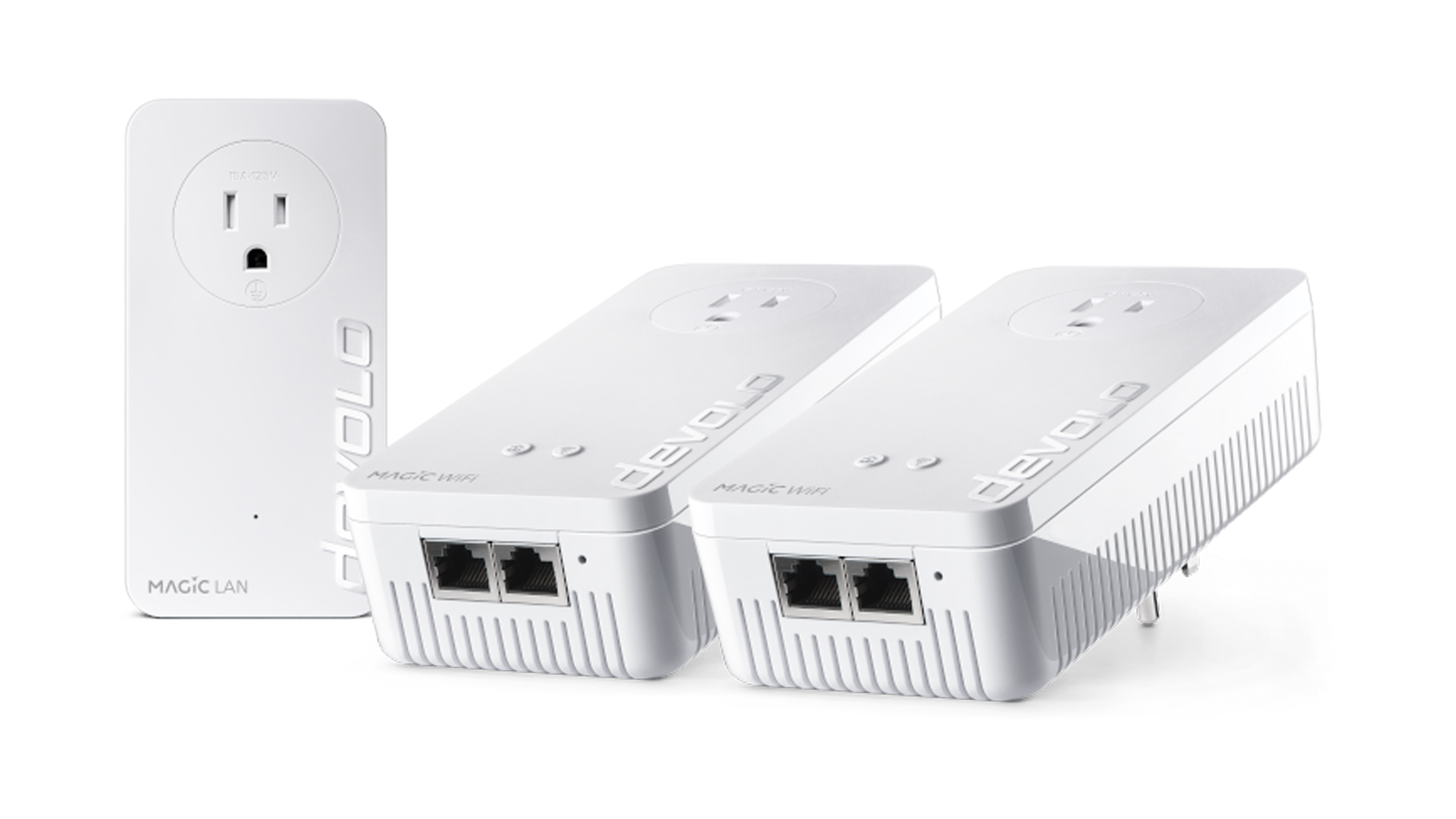
Extend your network through thick walls and into the furthest corners of your space with the Devolo Mesh WiFi 2. Boasting both mesh Wi-Fi features and versatile powerline connectivity, this device can even follow you and your mobile devices around, automatically switching you to the closest adaptor and the fastest Wi-Fi band. It even has three adaptors that give you five Gigabit Ethernet ports for fast, wired connections. This is the best Wi-Fi extender for games consoles, smart-TVs and other devices that work best with wired connections.
Speed: IEEE 802.11ac dual-band with 1x 2.4GHz (400Mbps), 1x 5GHz (866Mbps) | Connectivity: 2 x Gigabit Ethernet | Features: Beamforming implicit and explicit for 2.4GHz/5GHz bands
Affordable dual-band mesh Wi-Fi system
Good performance for mid-sized spaces
Only one Ethernet port for wired connections
The tri-band Orbi Whole Home AC1200 offers solid performance at a reasonable price, and will be a good choice for most small and medium-size homes that need to improve their Wi-Fi coverage. It’s simple to set-up and use for newcomers, although Netgear’s decision to use Disney’s subscription-based Circle service for parental controls is discouraging, considering that rival routers and mesh systems have often provided better parental controls for free. The lack of Ethernet ports for wired connections as well as more advanced features in the Orbi app might turn off experienced users as well.
(Image credit: Linksys)
7. Linksys Velop Wi-Fi extender
Layman’s mesh Wi-Fi comes at a cost
Bands: 802.11ac 5GHz and 2.4GHz | Connectivity: 2 x Gigabit Ethernet per unit (1 WAN and 1 LAN each) | Features: App-based setup; dual-stream (2x2), 802.11ac networking; 716MHz quad-core ARM Cortex A7 processor, beamforming
Fully modular mesh network
Inconspicuous design
Performance too dependent on position
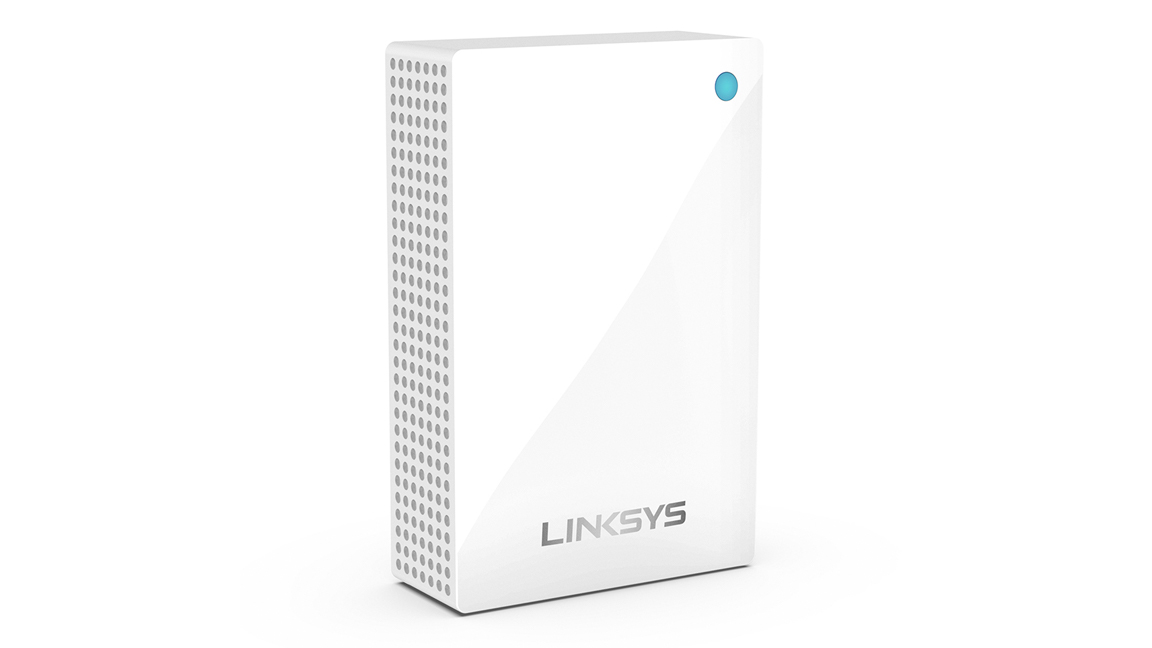
The Linksys Velop offers a solid argument for a wireless mesh network’s ease of setup. Looking to replace both your router and your now-antiquated range extender, the Velop comes at a time when companies like Google and Netgear are trying to accomplish the same thing. The main way Linksys hopes to stand out from its competitors in the wireless mesh networking space is with a user-friendly setup that anyone with a smartphone can easily do. With just a visit to the App Store or Google Play marketplace, you’ll have the Linksys Velop up and running in a matter of minutes. It's certainly a worthy addition to our list of the best Wi-Fi extenders.
Bands: : 802.11n (up to 300Mbps) 802.11ac (up to 866Mbps) | Connectivity: : 3x Gigabit LAN ports | Features: : 300m range over electrical power lines, Auto-connects to other TRENDnet powerline adapters, QoS Management support
Easy to set up and straightforward to reconfigure
Three LAN ports
Flawed Design
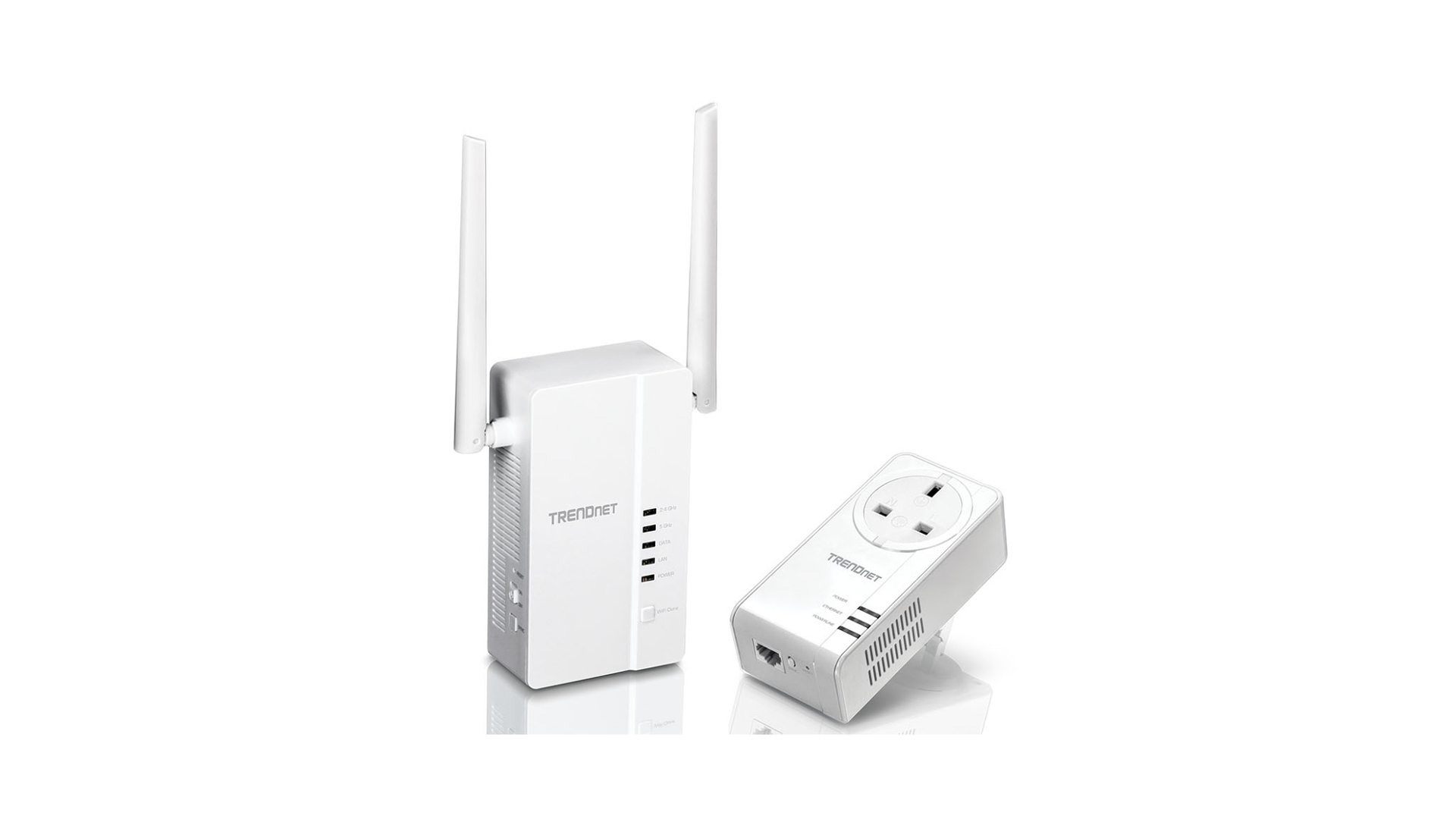
If you need a great way to upgrade your network so you can have fantastic coverage anywhere in your house, a powerline adapter is a remarkable option. Not only do they offer the same functionality as the best Wi-Fi extenders, but the Trendnet Wi-Fi Everywhere Powerline might just be a dream come true.
It’s not exactly visually pleasing, and the price tag may be a bit much. However, this unit more than makes up for those issues with sheer performance. And, unlike other powerline adapters, the Trendnet Wi-Fi Everywhere features a clone button that will clone the SSID and WPA key of your network so that it can double as a Wi-Fi extender.
This product is only available in the US and UK at the time of writing. Australian readers: check out a fine alternative in the Linksys Velop
(Image credit: Linksys)
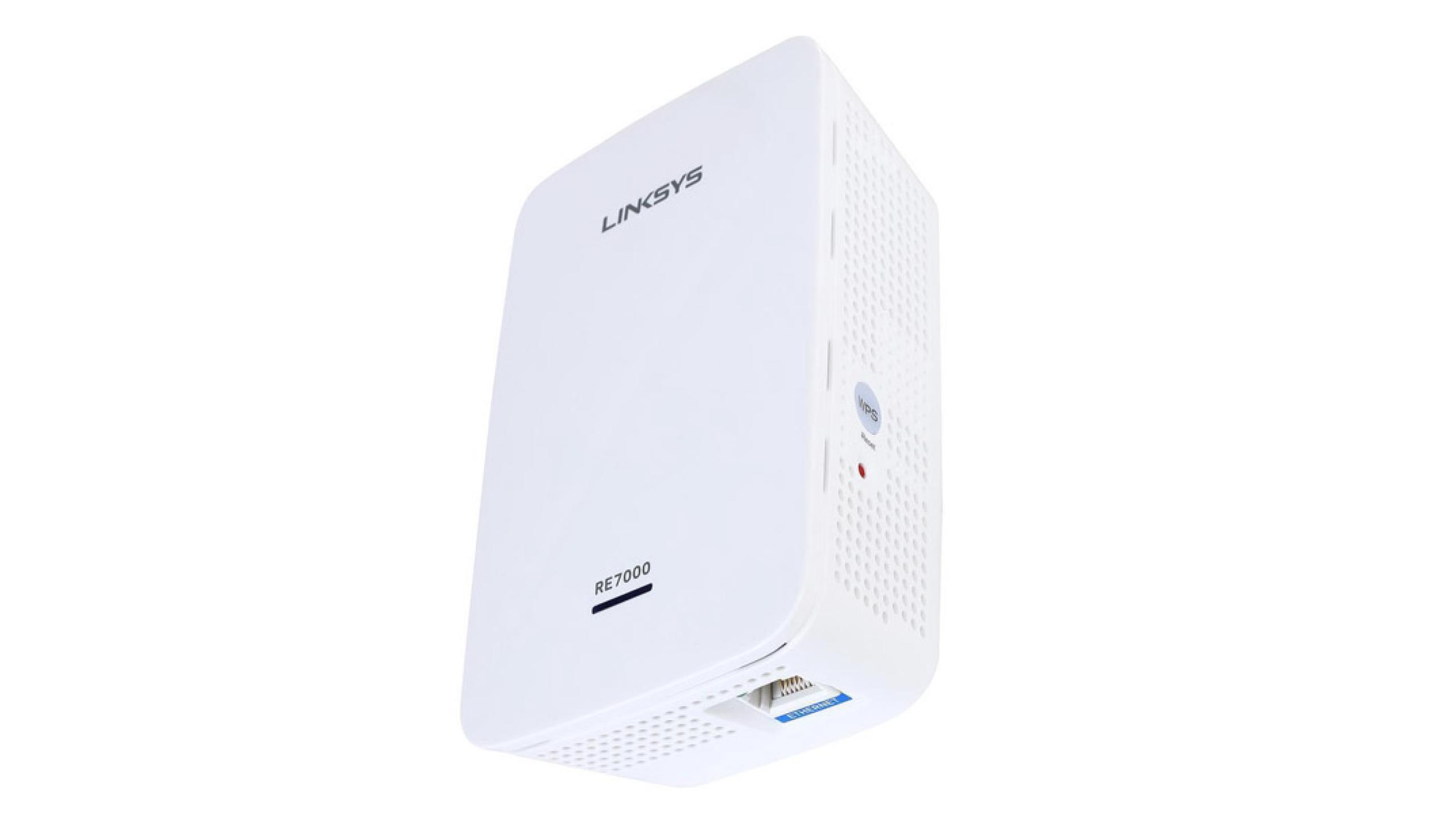
9. Linksys RE7000 Max-Stream AC1900+ Wi-Fi Range Extender
Another great compact Wi-Fi extender
Bands: : 802.11ac dual-band | Connectivity: : 1x Gigabit LAN ports | Features: Seamless roaming, deadspot finder
Easy to set up
Compact size
Can run hot
Not the best performance
If you want a small, discrete, Wi-Fi extender that will reliably spread the coverage of your network throughout your home or office, then the Linksys RE7000 Max-Stream AC1900+ Wi-Fi Range Extender is a great choice. It's small enough that it won't block other power outlets (like some larger Wi-Fi extenders can do), and it offers pretty good performance for a nice low price. Best of all, it comes with a 'dead spot' finder that allows you to locate where your network strength is the weakest. By installing it there, you should see a nice boost to your Wi-Fi.
Product
Plume Superpods
Netgear AC1200 WiFi Range Extender EX6150
D-Link Wi-Fi Dual Band Range Extender DAP-1520
TP-Link RE350 AC1200 Wi-Fi Range Extender
5. Linksys RE6500 AC1200 Dual-Band Wireless Range Extender
D-Link DAP-1320 Wireless N300 Range Extender
Linksys Velop Wi-Fi extender
Trendnet Wi-Fi Everywhere Powerline 1200 AV2
Bands
802.11b/g/n/ac
802.11ac 5GHz and 2.4GHz
802.11ac 5GHz and 2.4GHz
802.11ac 5GHz and 2.4GHz
802.11ac 5GHz and 2.4GHz
802.11n 2.4GHz
802.11ac 5GHz and 2.4GHz
802.11n (up to 300Mbps) 802.11ac (up to 866Mbps)
Connectivity
2x Gigabit LAN ports
1x Gigabit LAN ports
N/A
1x Gigabit LAN ports
4 x Ethernet, Audio Jack
N/A
2 x Gigabit Ethernet per unit
3x Gigabit Ethernet ports
from TechRadar - All the latest technology news https://ift.tt/2TrcaUO
Like every other piece of technology, the iPhone gets slower with time. Sure, it might easily coast by for 4-5 years, given the quality of Apple’s hardware, software, and security updates. But your phone will never feel as speedy after five years as it did on day one.
సోషల్ మీడియా ప్లాట్ఫామ్ ఇన్స్టాగ్రామ్ సేవలకు అంతరాయం కలిగింది. ఇన్స్టాగ్రామ్ ఓపెన్ కాకపోవడంతో యూజర్లు పోస్టులు అప్డేట్ చేయలేకపోతున్నారు. కొందరు యూజర్లకు ఇన్స్టా అకౌంట్ ఓపెన్ కాలేదు. స్టోరీస్ చూసేందుకు కూడా వీలు కాలేదు. సమస్య దేశంలో ఉదయం నుంచి ఉంది. దీంతో పలువురు సమస్యను మరో సోషల్ మీడియా ప్లాట్ ఫామ్ ట్విట్టర్లో లేవనెత్తారు. పోస్టులు
from Oneindia.in - thatsTelugu https://ift.tt/3zK60CH
If you spend all day editing and designing projects or are trying to take your gaming setup to the next level, it might be time to invest in one of the best ultrawide monitors. And, while these displays might be too much for the average PC user, multi-taskers, gamers, and content creators will greatly benefit from them and can put all that extra screen real estate to good use.
It’s no surprise that some of these superwide displays of 2021 are among the best monitors out there. They offer the kind of immersion that will make playing the best PC games feel almost like you’re playing through the best VR headset. They also make productivity and creative workloads easier to streamline since you can keep all your apps, windows, and tabs open and side-by-side. No matter if you’re editing a 4K video or are neck-deep in a boss battle, you’ll find that these panels will draw you in.
If you want to upgrade your setup and leave that standard widescreen aspect ratio behind, consider one of these ultrawide monitors for a more immersive experience. No matter if you want something for work or for gaming, you’ll find something among our top picks of 2021 here. And, make sure to use our price comparison tool to find the best monitor deals.
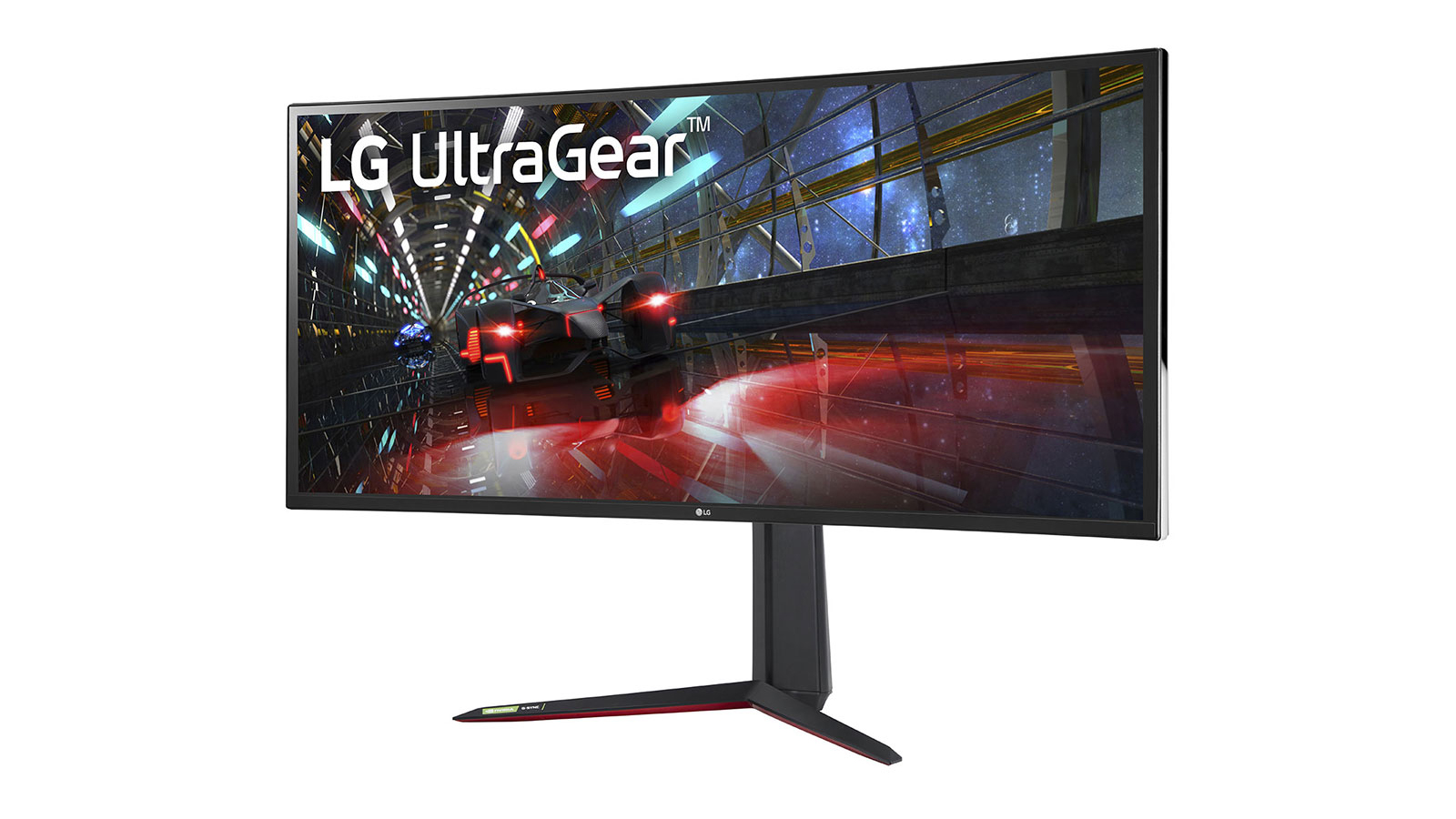
If you’re serious about gaming, then the LG UltraGear 38GN950 is the monitor for you.(Image credit: LG)
It’s hard not to be impressed by the LG UltraGear 38GN950. If you’re looking for the ultimate gaming monitor, this is certainly the one to beat, with a 144Hz refresh rate that can be easily overclocked to 160Hz, 1ms response time, spectacular image quality, and many other gaming features like G-Sync, an ultra-wide aspect ratio and DisplayHDR 600. If you’re serious about gaming, then this is the best ultra-wide monitor to get for gaming – if you can afford it, that is.
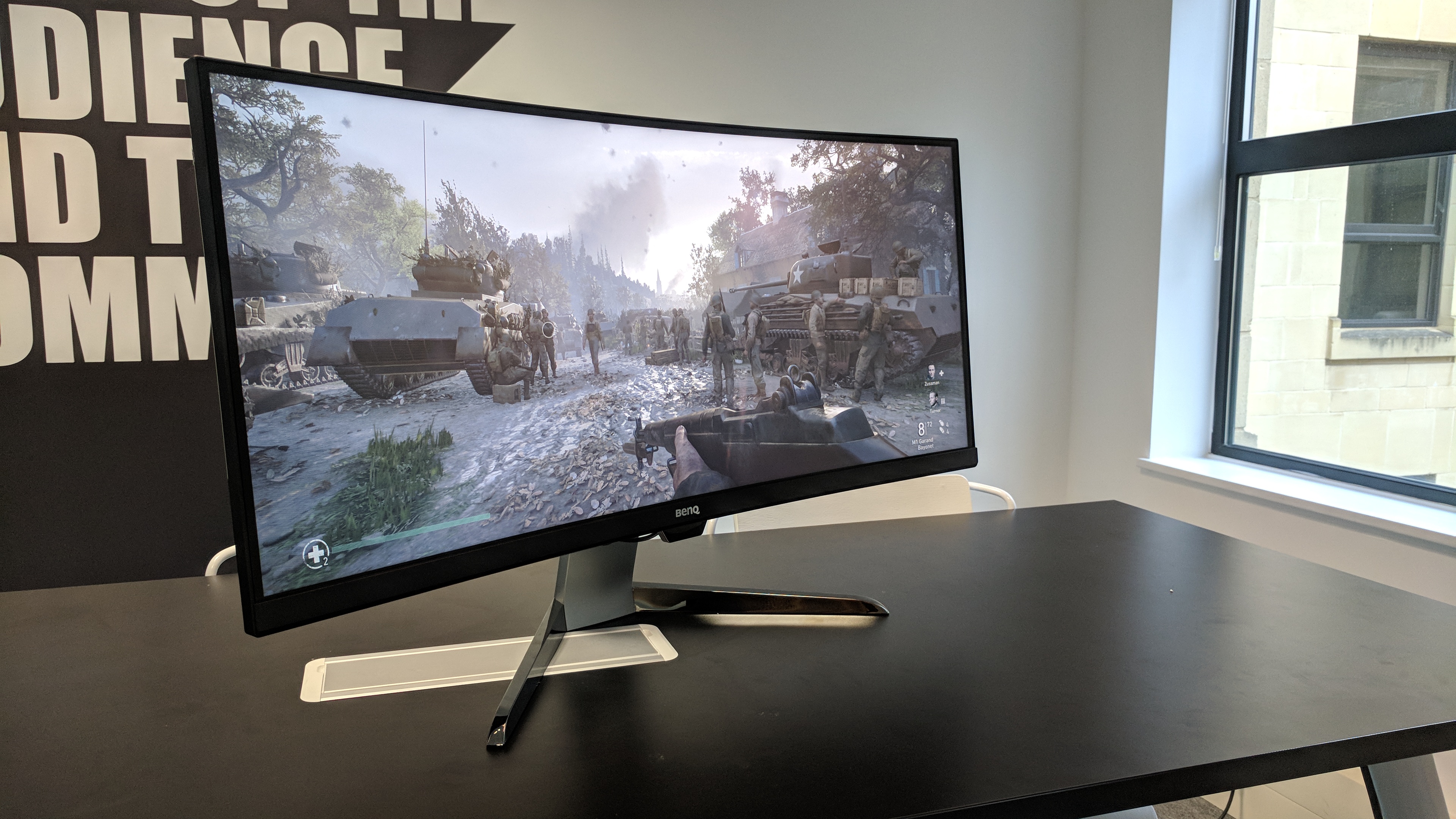
Ultrawide resolutions are already pushing our computing experiences to the edge, so when we came across the BenQ EX3501R, a 3,440 x 1,440 monitor with HDR, we sat up and took notice. This is an absolutely incredible gaming monitor – though BenQ advertises it as a 'video enjoyment monitor' – and considering it’s equipped with a USB-C input and an astonishing 2,500:1 contrast ratio, you'll be hard pressed to find anything not to love about one of the best ultrawide monitors out there. Well, at least until you look at the price tag.
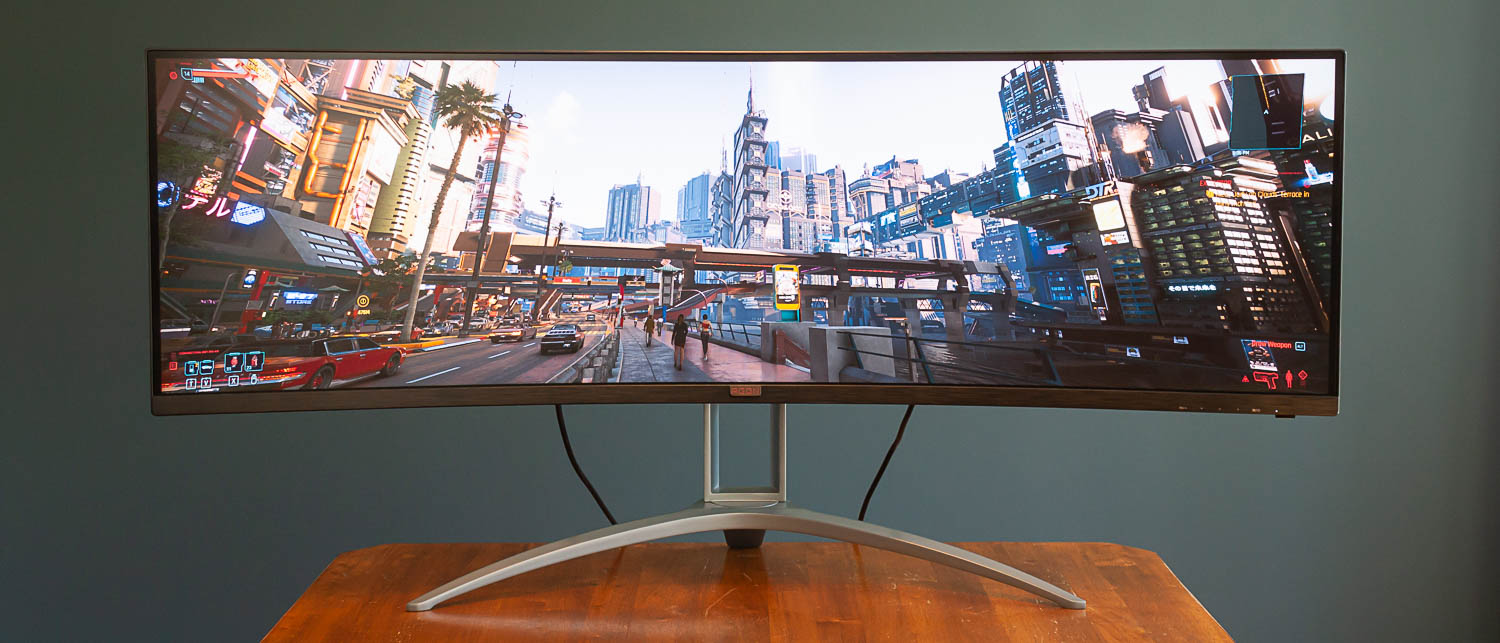
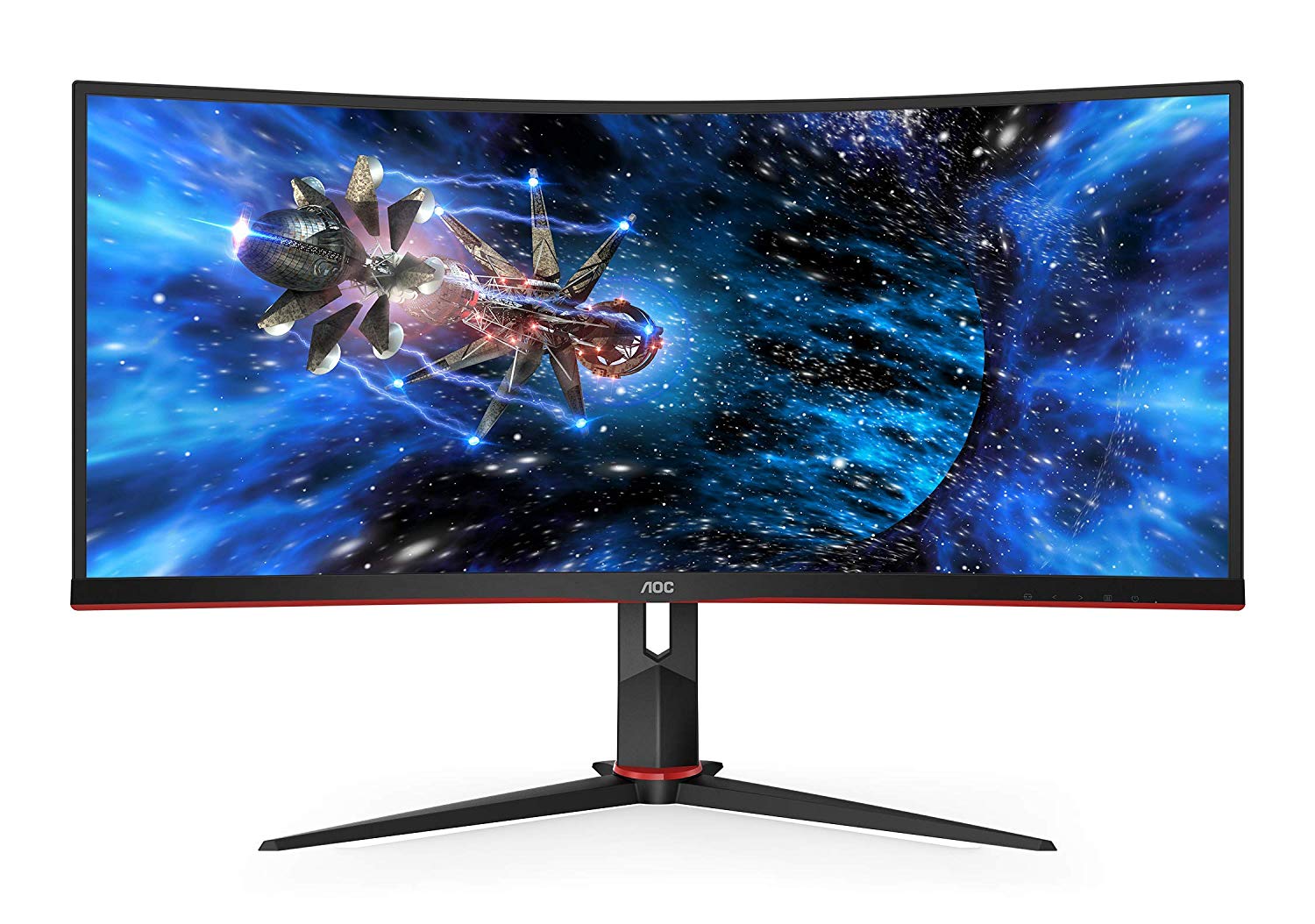
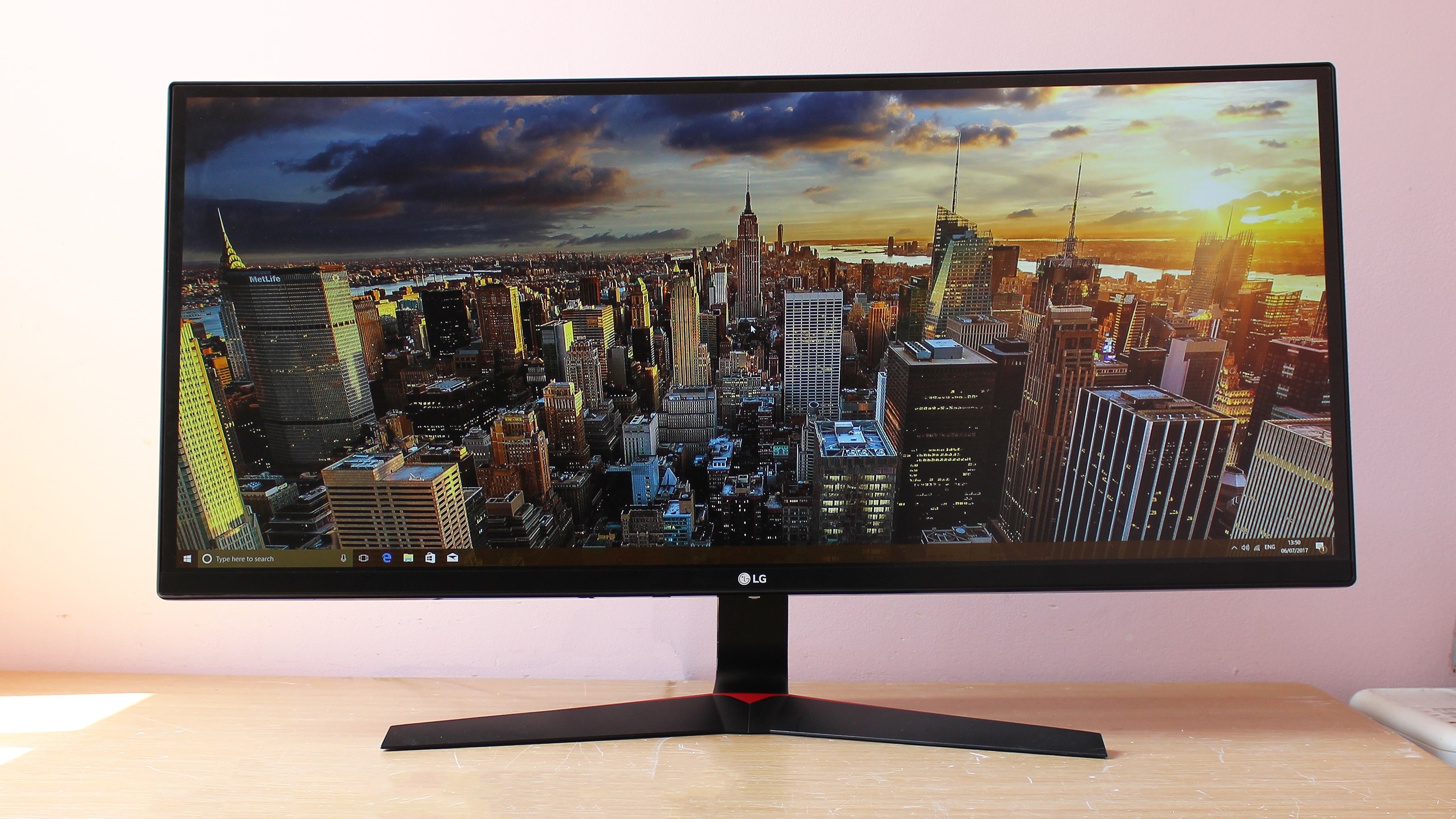
Ultrawide resolution? Check. Fast 120Hz refresh rate? Also check. The AOC Agon AG352UCG6 Black Edition is certainly more than its clumsy name lets on. This 3,440 x 1,440 ultrawide monitor isn't just stunning with its perfect VA panel, but coupled with a 120Hz refresh rate and a low 4ms response time, it should make the top of any gamer's list of the best ultrawide monitors. Just bear in mind, that if you want to take full advantage of the AOC Agon, you're going to need a little help from something like the RTX 2080 Ti.
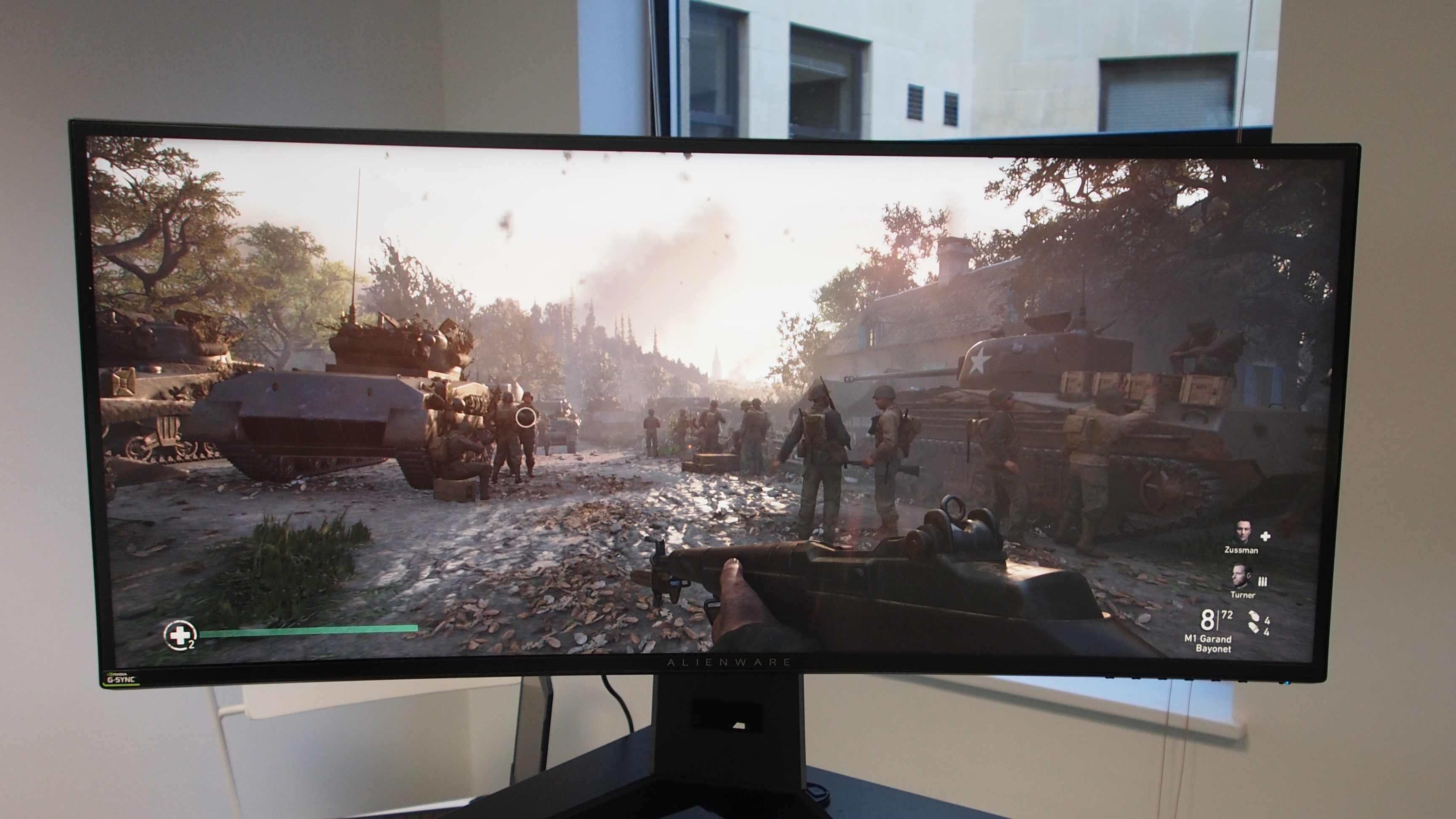
The Alienware AW3418DW has been one of the best ultrawide monitors for years now. With an incredibly reliable, color accurate display and a high refresh rate, this Alienware gaming monitor has definitely earned its gaming classic label. It's still a bit expensive, as you may expect from an Alienware product, but you really are getting what you're paying for. And, just like any other product from the alien-themed manufacturer it looks amazing sitting on your desk.
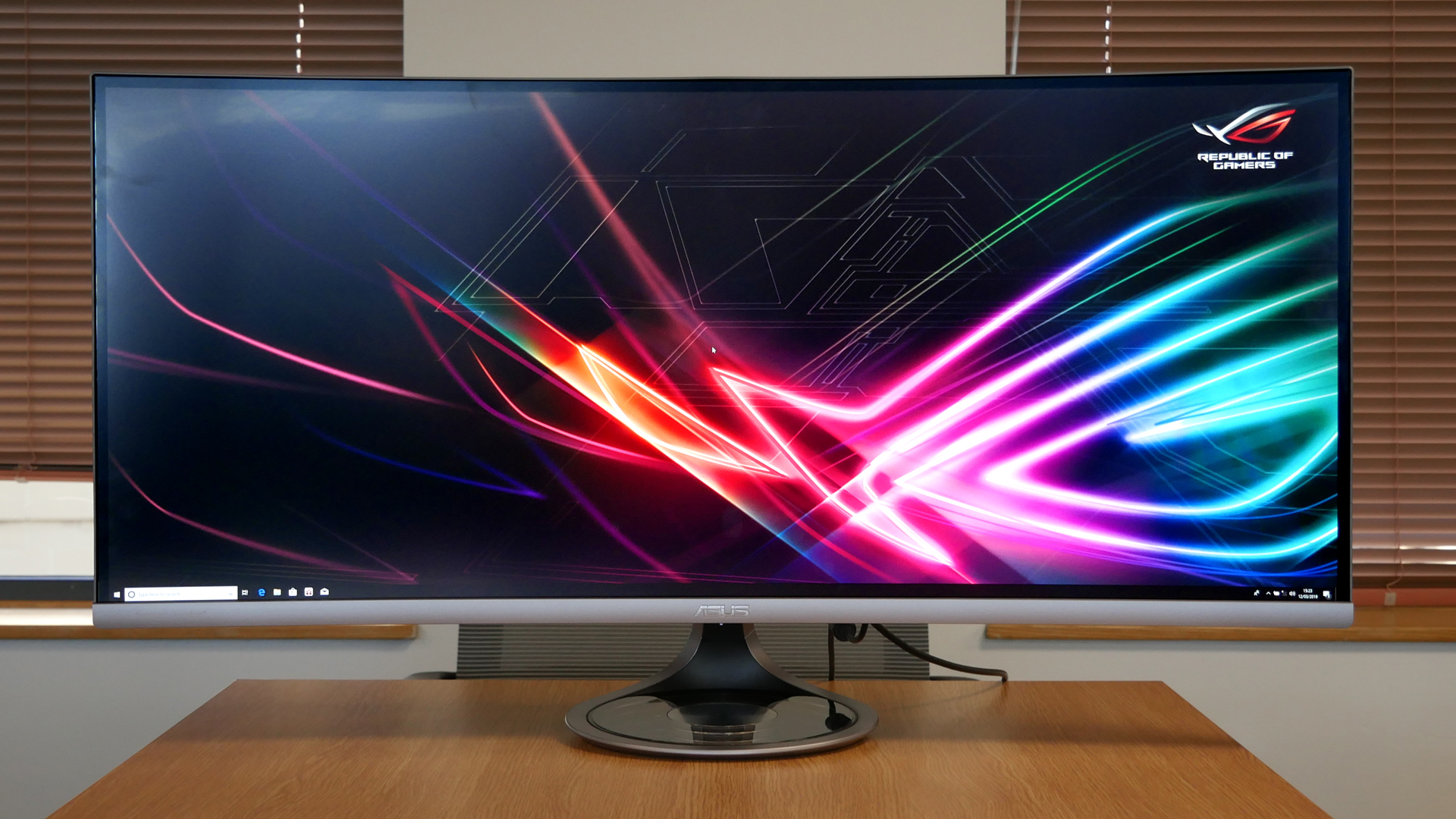
The best ultrawide monitors aren't just great for experiencing the best PC games, they're also amazing for creatives and professionals. And, the Asus Designo Curve MX38VC is an exceptional example, providing excellent color accuracy, and a high resolution that'll be a boost to photo and video editors. Considering its price tag, it would have been nice to have HDR included, but this gets the creative job done so well that we can easily overlook that little exclusion.
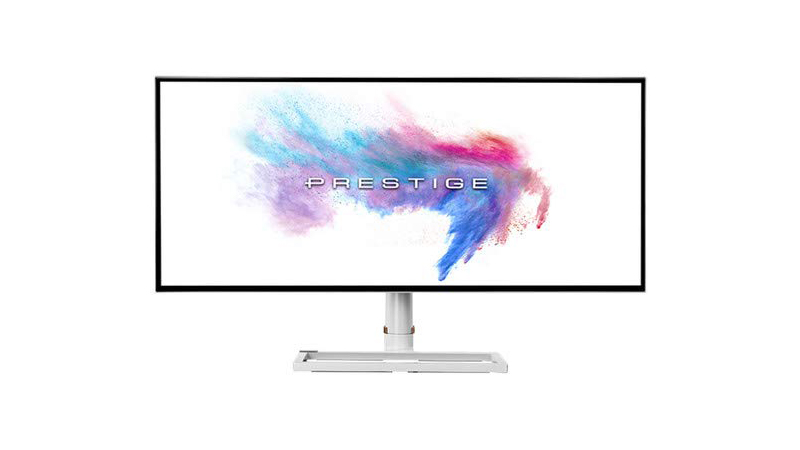
The MSI Prestige PS341WU is a cut above the 4K norm.(Image credit: MSI)
6. MSI Prestige PS341WU
When 4K just doesn't cut it...
USB-C: Yes | Screen size: 34 inches | Resolution: 5,120 x 2,160 | Aspect ratio: 21:9 | HDMI inputs: HDMI 2.0 x 2 | Display ports: DisplayPort v1.4 x 1
Glorious 5K2K resolution
Superb Nano IPS panel
Great feature set
Patchy build quality
Mediocre HDR performance
If you’re looking for a monitor that’s a cut above the 4K norm, then you’ve got the MSI Prestige PS341WU. Showing up any impeccable 4K monitor is by no means an easy feat, but this monitor does so with the huge 5K2K native resolution (and 21:9 ultrawide aspect ratio) of its luscious 34-inch IPS screen. It doesn’t come cheap, but it does have a great feature set to make up for that, including a Nano IPS panel with DCI-P3 color gamut, HDR support and comprehensive connectivity. All that packed in a beautiful white aesthetic, and you’ve got yourself one of the best ultrawide monitors of 2020.
There's no arguing with this monitor's exceptional performance. This 'frameless' monitor works hard to provide best-in-class performance, rather than advertising its gamer-centric nature via sharp angles and aggressive RGB lighting. Though if you are looking for gaming features, it boasts a 144Hz refresh rate, 1ms response time and 1440p resolution for immersing gaming that looks incredible as well. And, with a $450/£450 price tag, you’re certainly getting a lot of value for your money.
One of the main drawbacks of the best ultrawide monitors is that they happen to be on the expensive side. Sure, having an extremely wide screen is fantastic, but if you can't spend a grand on a new monitor, you're out of luck. Luckily, the LG 34UC79G-B is here to save the day on a budget. Now, this display doesn't have as high a resolution as some of the other selections on this list, coming in at 2,560 x 1,080, but with the amount of money you're saving, it almost doesn't even matter. Plus, you're getting FreeSync, too.
The best gaming mouse can take your gaming to the next level. That’s because you need top-notch peripherals to keep up with that gaming PC you’ve invested so much money in for a truly immersive gaming experience.
Your success when playing the best PC games depends largely on having a mouse for gaming. That’s because these mice are different from typical ones in more than a few ways. Not only do they come with better sensors, customizable and remappable buttons, and are more robust, but they have a bigger DPI range that allows you to move more accurately and quickly. On top of that, some come with gamer-centric features like RGB lighting, tilt tracking, and weight adjustments.
It doesn’t matter if you’re playing free PC games or one of the newest AAA titles out there, get the most out of your gaming sessions by upgrading to a better mouse. And, to find the right one for you, take a look at our picks for the best gaming mice on the market right now. Make sure to check our price comparison tool to score the best mouse deals.
The Roccat Burst Core proves you don't need to spend a lot for the best gaming mouse.(Image credit: Roccat)
The Roccat Burst Core proves that you don’t need to pay more than $50/£50 to get a premium mouse. This affordable wired option wins as much in performance and build and it does in price. Though minimal on frills, it’s an absolute stand-out in everything else, including ergonomics and lightweight design. RGB fans might want to go for the pricier Roccat Burst Pro, but if you don’t mind something more minimalist and classy, this one is the one to go for no matter your budget.
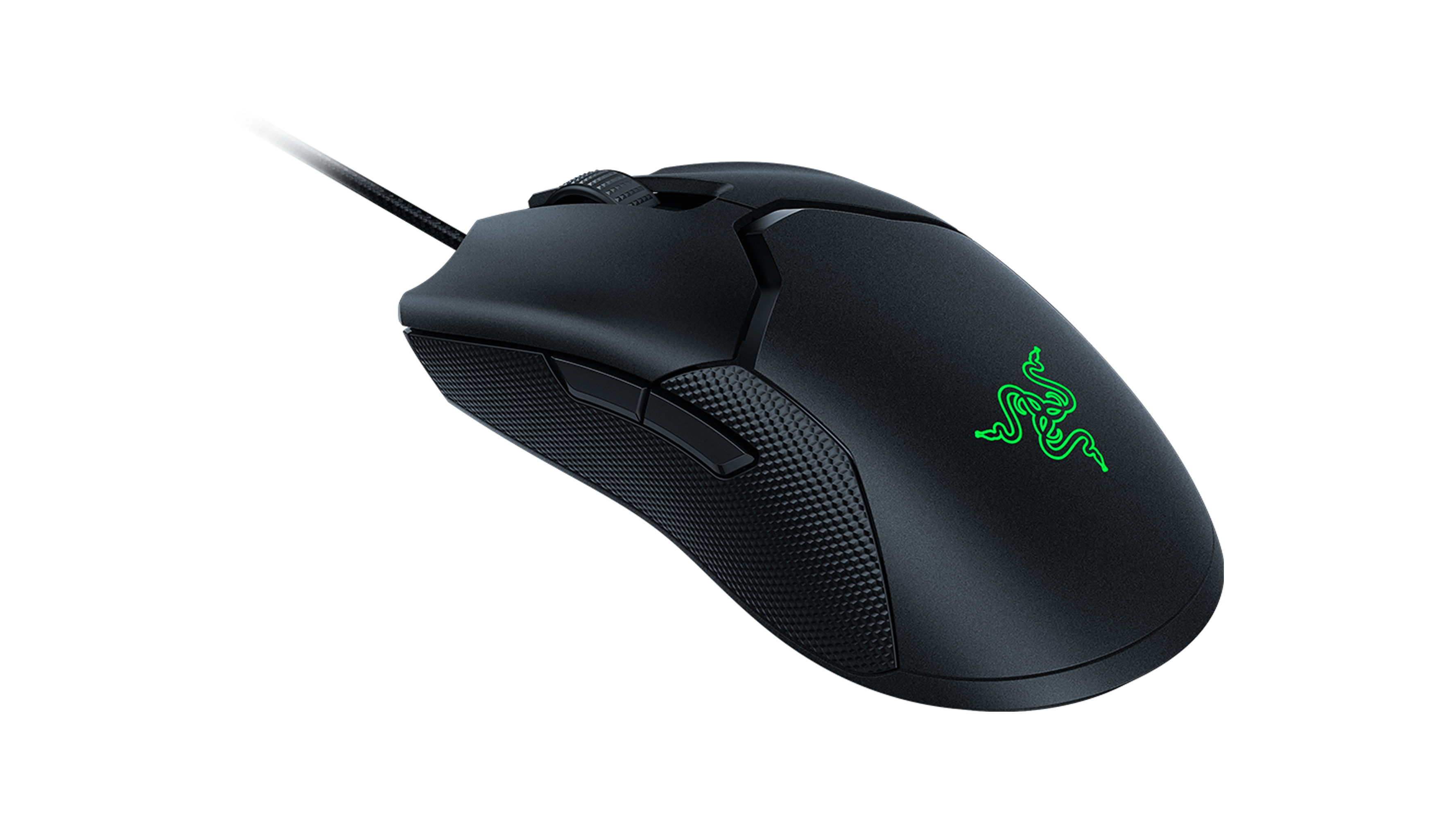
Competitive fast-paced games require a gaming mouse that can keep up, and for that, you’d want to take a look at the Razer Viper 8K. This is among the fastest and most responsive gaming mice out there, thanks to its 8,000Hz polling rate and <0.125ms click latency. It’s also inherited the Razer Viper line’s impressive build as well as the ambidextrous design that some of its models come with. You'll need a speedy monitor to get the full benefit from the Viper 8K though, but if you need the most responsive mouse possible, this is the best one for you.
DPI: 18,000 | Features: Sub-1ms wireless speed, interchangeable side grips, hyper-polling up to 2,000Hz
Low latency
Very robust software
Not for claw grip gamers
More difficult to use when wired
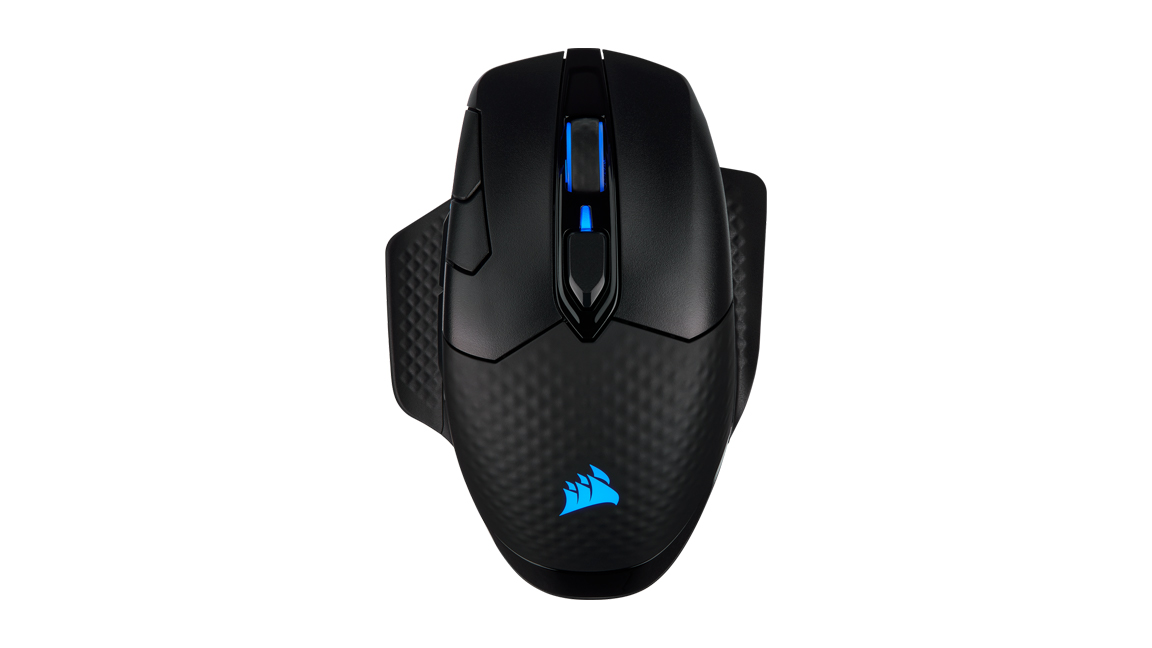
Impressive wireless gaming mice are hardly a dime a dozen. Due to their latency, wireless mice are generally not ideal for gaming where every fraction of a second counts. This is why the Corsair Dark Core RGB has impressed us even more. With its sub-1ms speed, incredibly low latency, and reliability, this is truly a mouse we can game with, wireless or otherwise. And, that’s without mentioning its highly customizable RGB lighting and very robust software. There’s one catch: it’s not ideal for claw grip gamers as its palm rest is a bit flat. However, if you’re a palm gripper, you’ll love how it fits in your hand.
DPI: up to 18,000 | Features: TrueMove Air precision optical gaming sensor, 5 quick action side buttons, 10 RGB zones
Consistent performance
Stylish design
Buttoned up
Tricky extra buttons
No grips
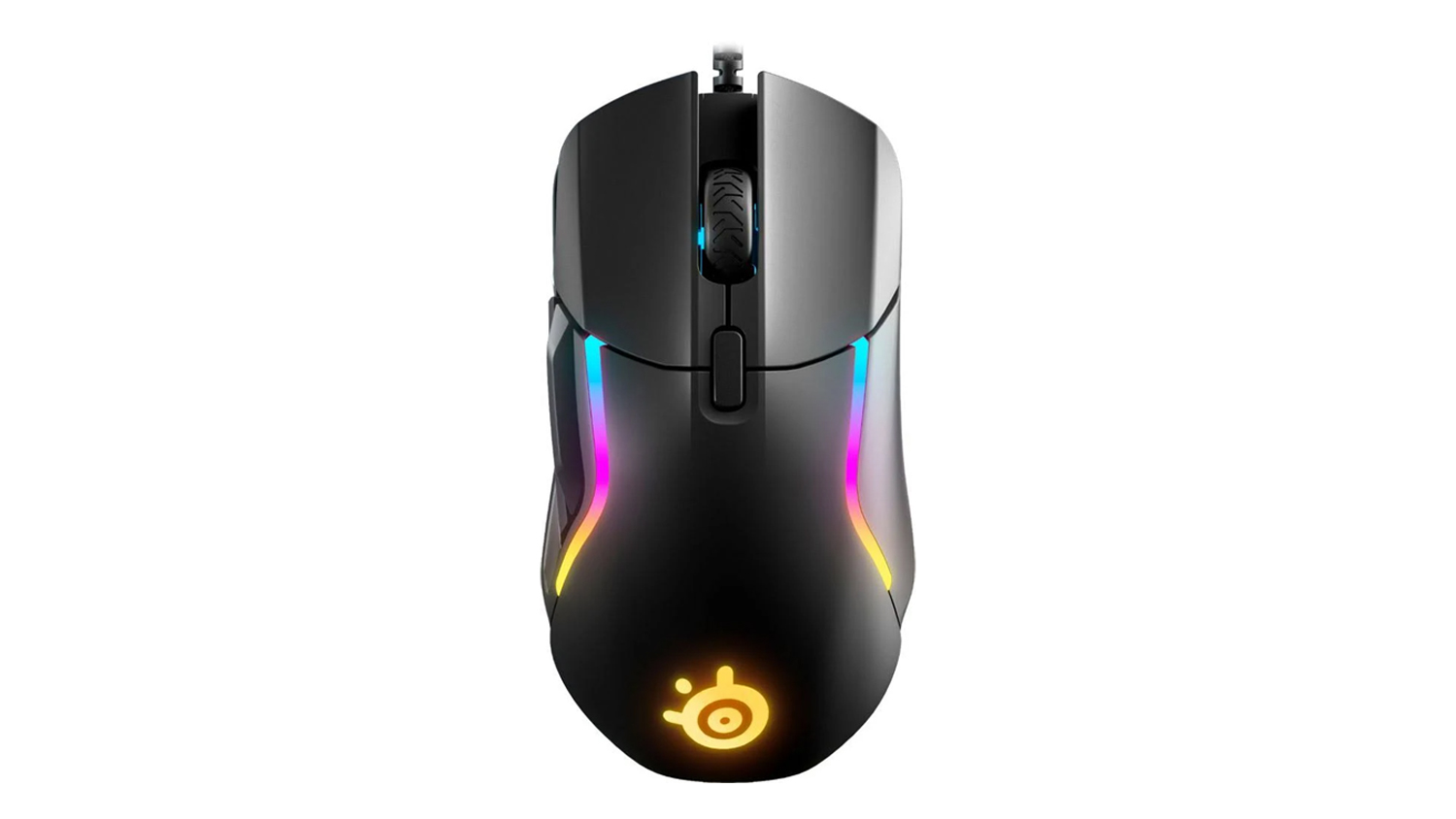
Inheriting the Rival 600’s best attributes but also keeping its price of entry affordable, SteelSeries’ latest addition to its gaming mouse family is more than a solid contender in the battle for the best gaming mouse. The SteelSeries Rival 5’s greatness is apparent in both its design and its features, as it very much does in its performance. It’s lightweight and comes with more side buttons – not to mention, nearly flawless in its performance, making it an undeniable excellent value for gamers.
DPI: 50–18,000 in 50 in increments | Features: TrueMove Pro sensor, 50G acceleration, Tilt Tracking, 60 Million Click Mechanical Switches, Ambidextrous Design
Ambidextrous design
Onboard profile customization
A bit lightweight
Easy to accidentally click side buttons
Its onboard profile customization and nice matte finish are just two of the things you’ll love about the SteelSeries Sensei Ten. Most importantly, this ambidextrous mouse boasts a top-of-the-line sensor, making it one of the best gaming mice we’ve tested. It delivers such impressive acceleration and deceleration customization options, as well as butter-smooth performance. SteelSeries tops it all off with Tilt Tracking, which essentially keeps tracking consistent and precise even when you’re lifting your mouse and putting it back down at tilted angles.
DPI: up to 16,000 | Features: 450 IPS tracking speed, up to 40G acceleration, HyperSpeed Wireless, 6 programmable buttons
Two connection options
Long-lasting battery
No wired backup
No DPI indicator
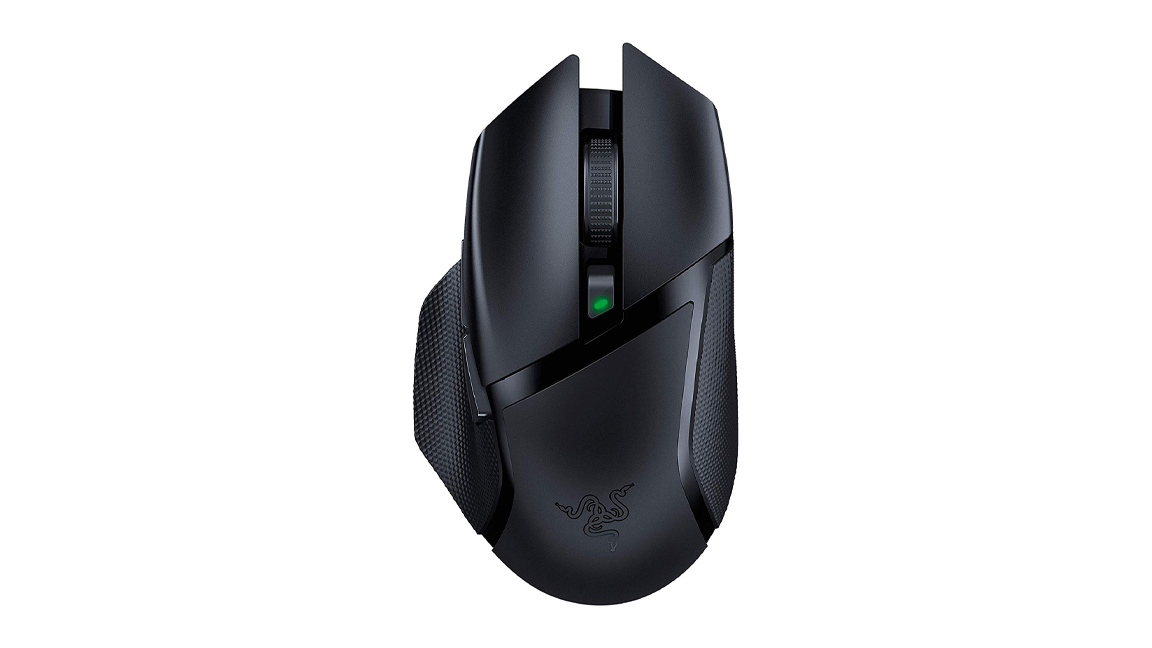
With up to 450 hours in Bluetooth mode, the Razer Basilisk X Hyperspeed is one of the longest lasting wireless mouse on the market. But, it’s got more going for it than just longevity. It also boasts excellent performance with 450 IPS tracking speed and up to 40G acceleration. It’s key feature, however, is the HyperSpeed Wireless, which reduces the time it takes to send data between your mouse and PC so it’s 25% faster than any other wireless gaming technology.
DPI: up to 18,000 | Features: 8,000Hz polling rate, Quickstrike buttons, PTFE glide pads
Incredibly fast performance with 8,000Hz polling rate
Innovative drag-reducing paracord
Possible performance hit at 8,000Hz with lower specs
The Corsair Sabre RGB Pro Champion Series may lack all the frills and pizazz of other mice for gaming, but its minimalist design is made up for by its speed. Designed by esports gamers, this mouse is all about being fast with its 8,000Hz polling rate, the AXON hyper-processing technology, and Quickstrike buttons with fast actuation. And, it does so without setting you back a whole lot, making it a great option for competitive gamers who want to be economical.
The HP Omen Vector Wireless Mouse is the best gaming mouse if you want longevity.(Image credit: HP)
8. HP Omen Vector Wireless
Great performance meets long battery life
DPI: 16,000 | Features: up to 180 hours of battery, fast charging, customizable buttons, 50 million clicks
Incredibly fast response time
Great battery life
Fast charging
Lacks Bluetooth connectivity
Can only cycle DPI in one direction
The Omen Vector doesn’t only deliver that impeccable no-latency performance and 1ms polling rage. It also comes with an extremely long battery life of up to 180 hours as well as a fast USB-C charging capability that gives you a full charge after only 90 minutes. There’s not a lot of extra features here, and you might miss being able to connect via Bluetooth, but this mouse about minimalism and sticking to the basics. If that’s something you’re looking for, this is the best gaming mouse for you.
You’ll be happy to shell out a little more for what the HyperX Pulsefire Dart has to offer.(Image credit: HyperX)
9. HyperX Pulsefire Dart
Best of both worlds
DPI: up to 16,000 | Features: Qi Certified for wireless charging, padded leatherette grips, USB wireless adapter
Extra comfortable side padding
Impressive battery life
Wireless and wired, with Qi charging
Not the most interesting design
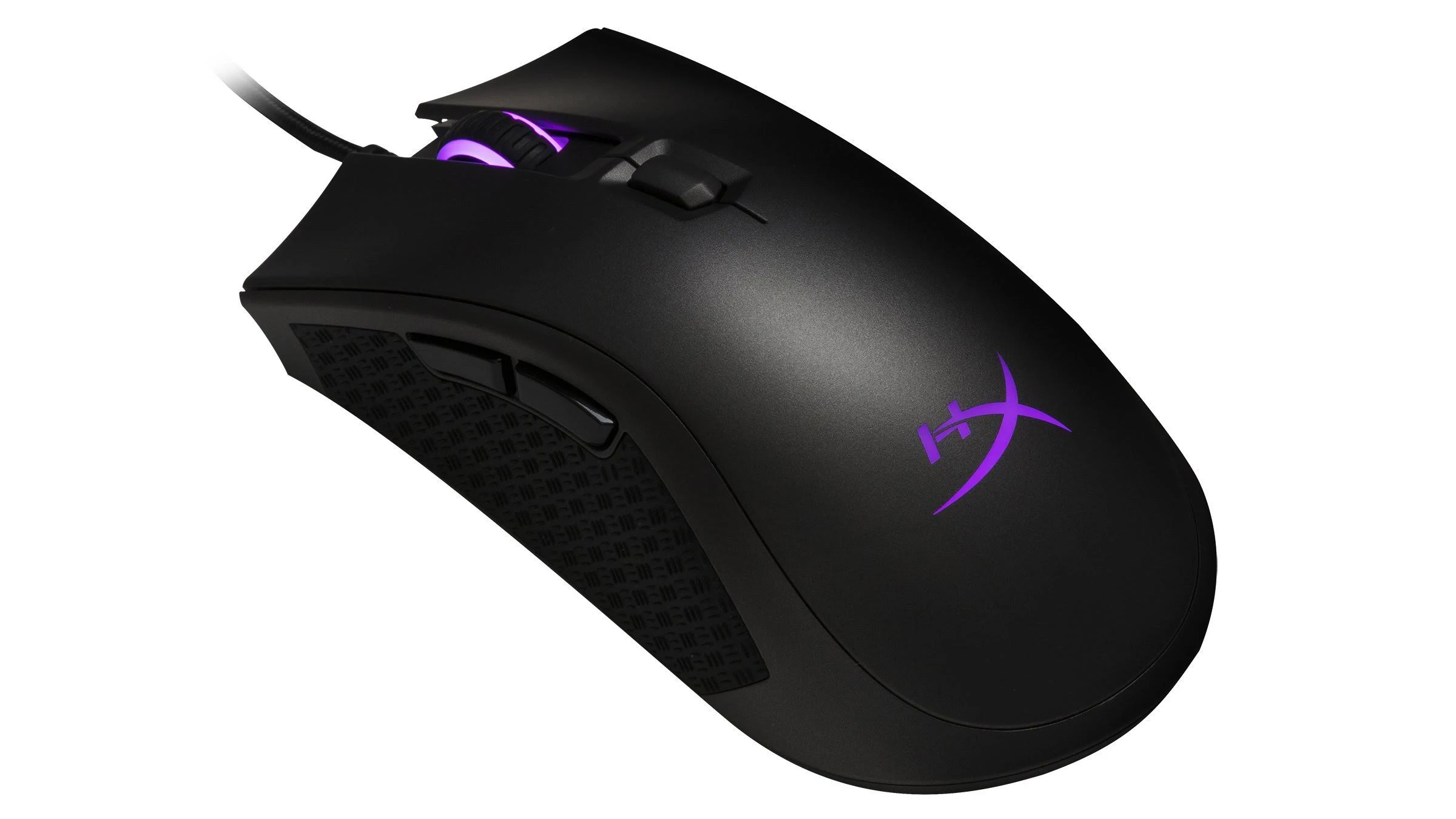
If you want a high-end mouse to see you through your gaming needs, then you’ll be happy to shell out a little more for what the HyperX Pulsefire Dart has to offer. This gaming mouse boasts robust build quality, responsive buttons, great ergonomics, and top-notch performance. In other words, it has all the makings of the best gaming mouse. And yet, it goes above and beyond, giving you the best of both worlds with its wired and wireless capabilities. Not only that, but it touts longevity and Qi charging as well. What more could you ask for?
The Roccat Kone Pro is light as a feather yet also as fast as lighting(Image credit: Roccat)
10. Roccat Kone Pro
Remarkably lightweight and esports-ready
DPI: up to 19,000 | Features: Extreme lightweight shell, Titan Switch Optical, Titan Wheel Pro, PhantomFlex cable
Extremely Lightweight
Titan Switch provide great click-throughs
Titan Wheel Pro Scroll is perfect
Lacks DPI adjustment buttons
Roccat’s Kone Pro is undeniably stunning, combining the brand’s clean and minimalist and gorgeous RGB lighting uniquely located underneath the left and right buttons. But, it also doesn’t go by looks alone. Light as a feather yet also as fast as lighting, this high-end gaming mouse boasts serious esports grade performance, making it an excellent option for pros and those who take gaming seriously. To make it truly yours, Roccat even slaps on a respectable slew of customization options for good measure.
While you’ll definitely find the best gaming mouse of your gaming dreams, doing so might take some time and effort. That’s expected; there’s a ton of complicated technical jargon that goes into the best gaming mice – terms like polling rates and DPI ratings that a regular buyer may not be familiar with. For the record, you’ll want a higher number of both, even though these two terms mean very different things.
For newcomers to the world of PC gaming, when you come across the term DPI, that is shorthand for ‘dots per inch.’ The higher the number, the wider the range wherein you can specify how sensitive your mouse is. If you don’t have a lot of desk space available, but you still want accuracy and precision, then opt for the best gaming mouse with a higher DPI rating that can toggle to a lower DPI, in case you get a bigger desk.
Meanwhile, a high polling rate means you’re getting faster response times. The polling rate is measured in hertz, and it usually ranges from around 125 to 1,000Hz. The latter means that your mouse’s position is reported to your computer 1,000 times per second.
Other key gaming mouse factors you’ll want to keep in mind are ergonomics – particularly if you’re left-handed – and RGB lighting.